The Benefits of a Strider Bike for Young Riders 🚲
Strider Bikes give young riders a pedal-free way to practice their balance, steering, stopping, and feet-on-the-ground control. Strider bikes come in toddler-friendly 12-inch models, lightweight performance options, and balance-to-pedal designs. Families who want sizing help can visit Clever Fox Cyclery in Auburn Hills to ensure their child's bike will fit them just right.
Key Takeaways
- The right Strider bike and fit will help your child learn faster and ride more safely. The right fit will ensure their feet touch the ground and shoulders stay relaxed.
- Always measure your child's inseam and height before you buy. 12-inch wheels are best for ages 18 months to 3 years, while 14-inch wheels are ideal for older kids.
- Adjust the seat so both feet are flat on the ground when seated. Test handlebar reach so elbows bend slightly.
Shop Strider Bikes at Clever Fox Cyclery
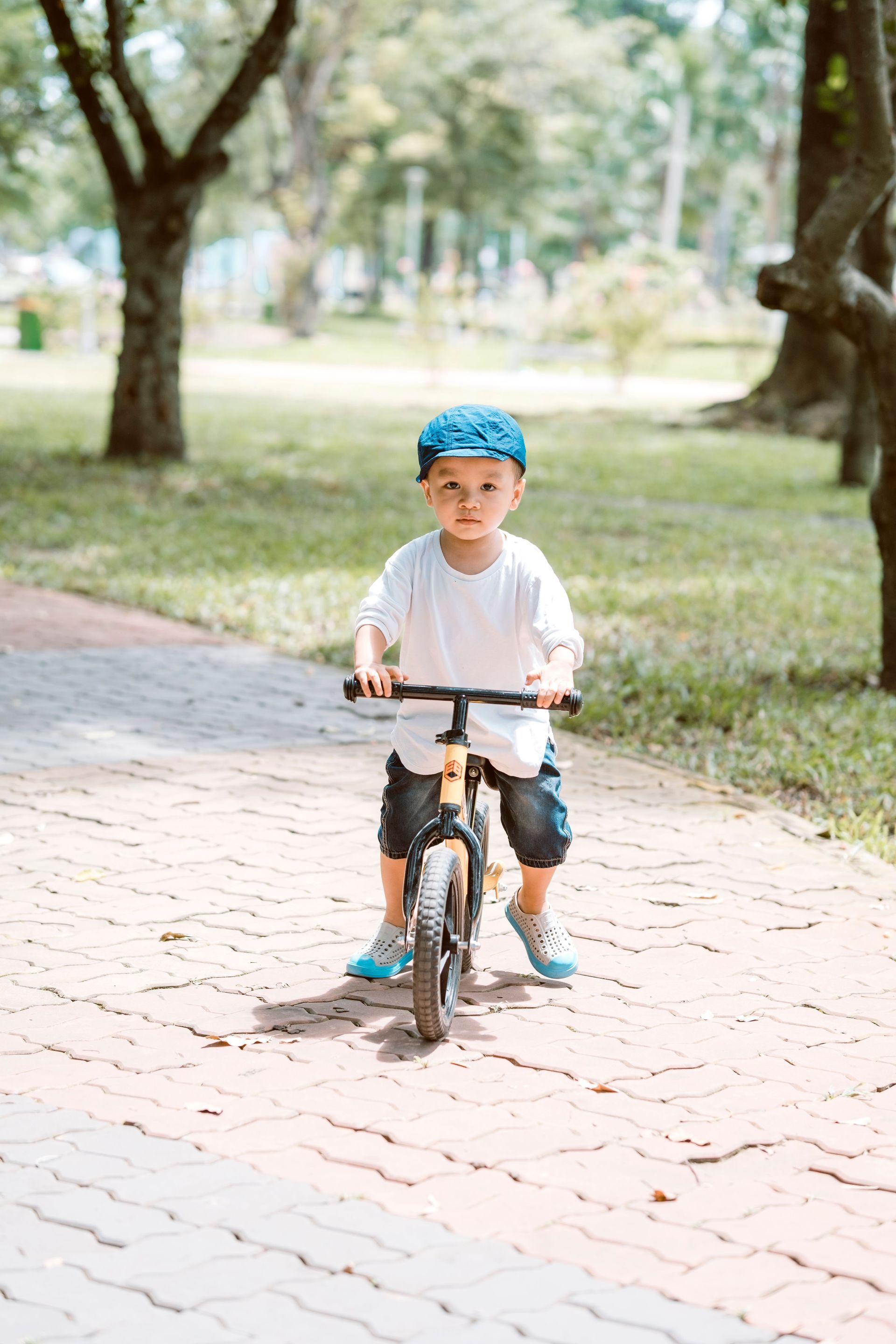
A Strider bike uses a pedal-free design that allows children to propel, slow, and stabilize themselves with their feet. This keeps the initial learning stage focused on balance and control. Within the Strider 12 range, the Comp has an 11–15-inch seat-height range for smaller riders. The Sport and Pro each extend from 11–17 inches for taller toddlers and preschoolers.
Clever Fox Cyclery offers guided sales with personalized bike recommendations and expert guidance. Its knowledgeable, community-minded team helps parents evaluate current fit and adjustment range. They alos evaluate riding confidence, and the eventual transition to a pedal bike.
How to Choose the Right Strider Bike
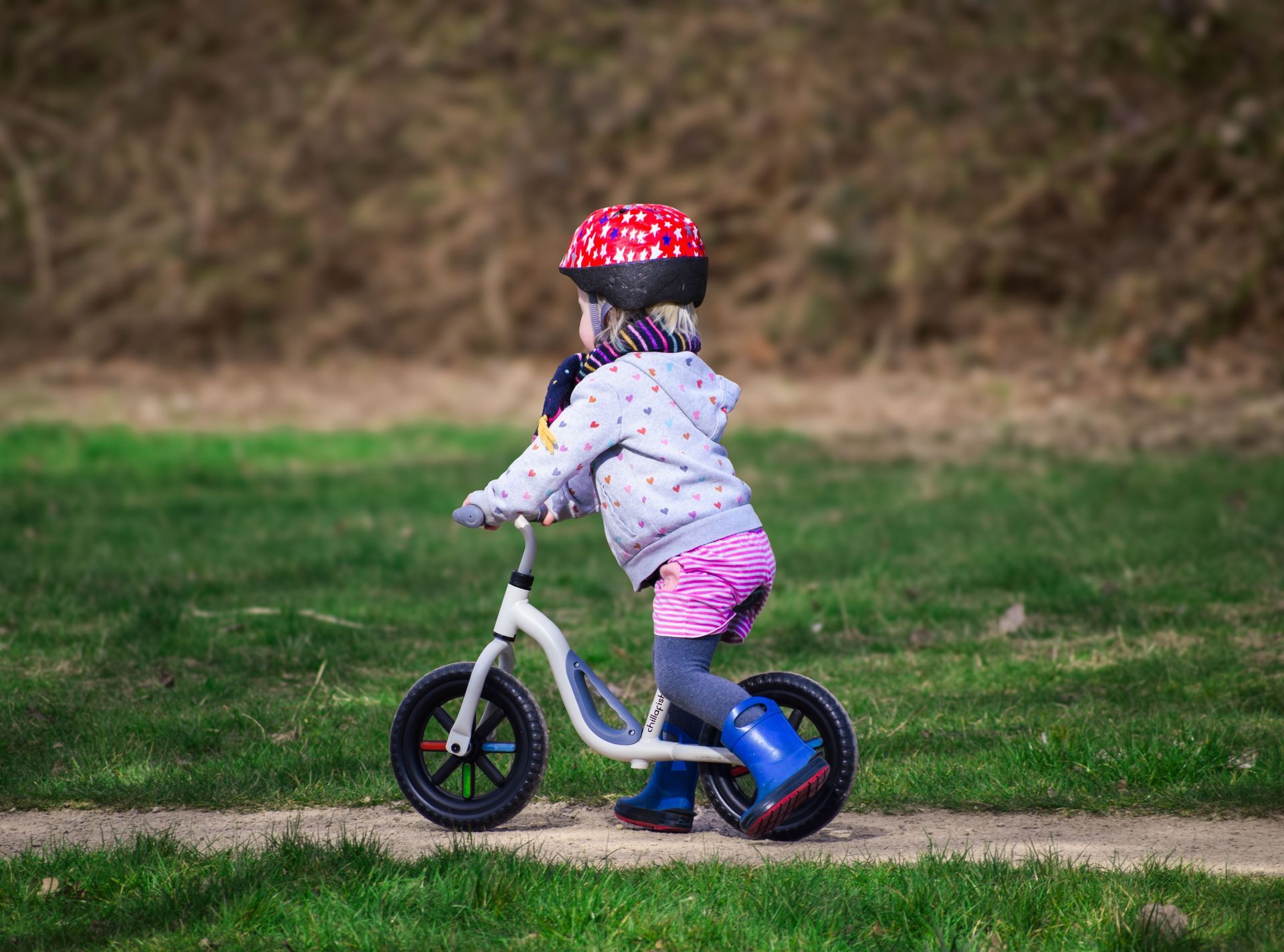
A right fit matters more than the recommended age for a product. This is because children of the same age can have different inseams, proportions, and levels of coordination. Both of the rider's feet should reach the ground securely when they sit on the saddle. This gives them direct control over starting, slowing, and stopping.
Start With Inseam and Seat Height
Measure the child’s inseam and compare it with the model’s stated saddle-height range. Set the seat low enough for comfortable walking and pushing, but not so low that the knees remain sharply bent throughout each stride.
A child who must stretch or point their toes to touch the floor has less reliable feet-on-the-ground control. Recheck saddle height regularly as your child learns and grows. Even a 12-inch balance bike can become uncomfortable as a toddler grows.
Check Reach and Handling
The handlebars should be easy to reach without locked elbows, raised shoulders, or a forward stretch. Adjustable handlebars preserve a comfortable steering position as the child becomes taller. Additionally, a lightweight frame makes it easier for a small rider to turn, reposition, or pick up the bike.
Before each new riding stage, confirm that controls remain accessible and that no component has loosened. Clever Fox Cyclery also provides reliable and meticulous mechanical service. This gives families a local resource when a bike needs adjustment or inspection.
Align the Model to the Rider
The Strider 12 Sport has a 6.7-pound steel frame and an 11–17-inch seat-height range. The Comp uses a 5.0-pound nylon composite frame with an 11–15-inch range. The Strider 12 Pro uses a 5.6-pound aluminum frame and includes an XL seatpost. This extends the adjustable seat height to 15–19 inches.
For a larger preschooler showing interest in pedals, the
Strider 14x Sport is a 14-inch, 2-in-1 balance-to-pedal bike for riders ages 3–7 with 16–23-inch inseams. Discuss the next bike before the current frame becomes too small. Making a timely bike transition can preserve comfortable steering and stopping habits.
Sizing Support Beyond the First Bike
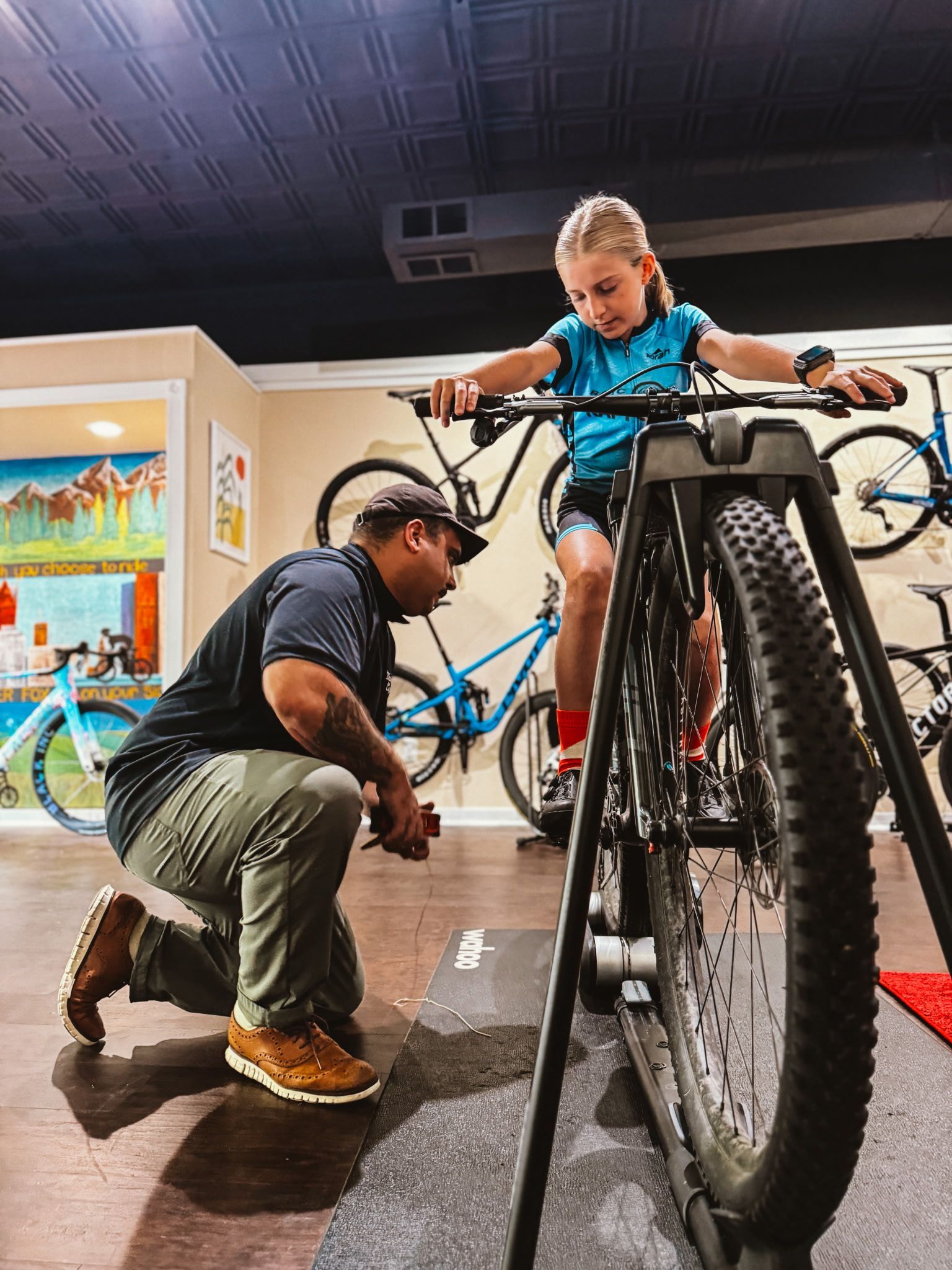
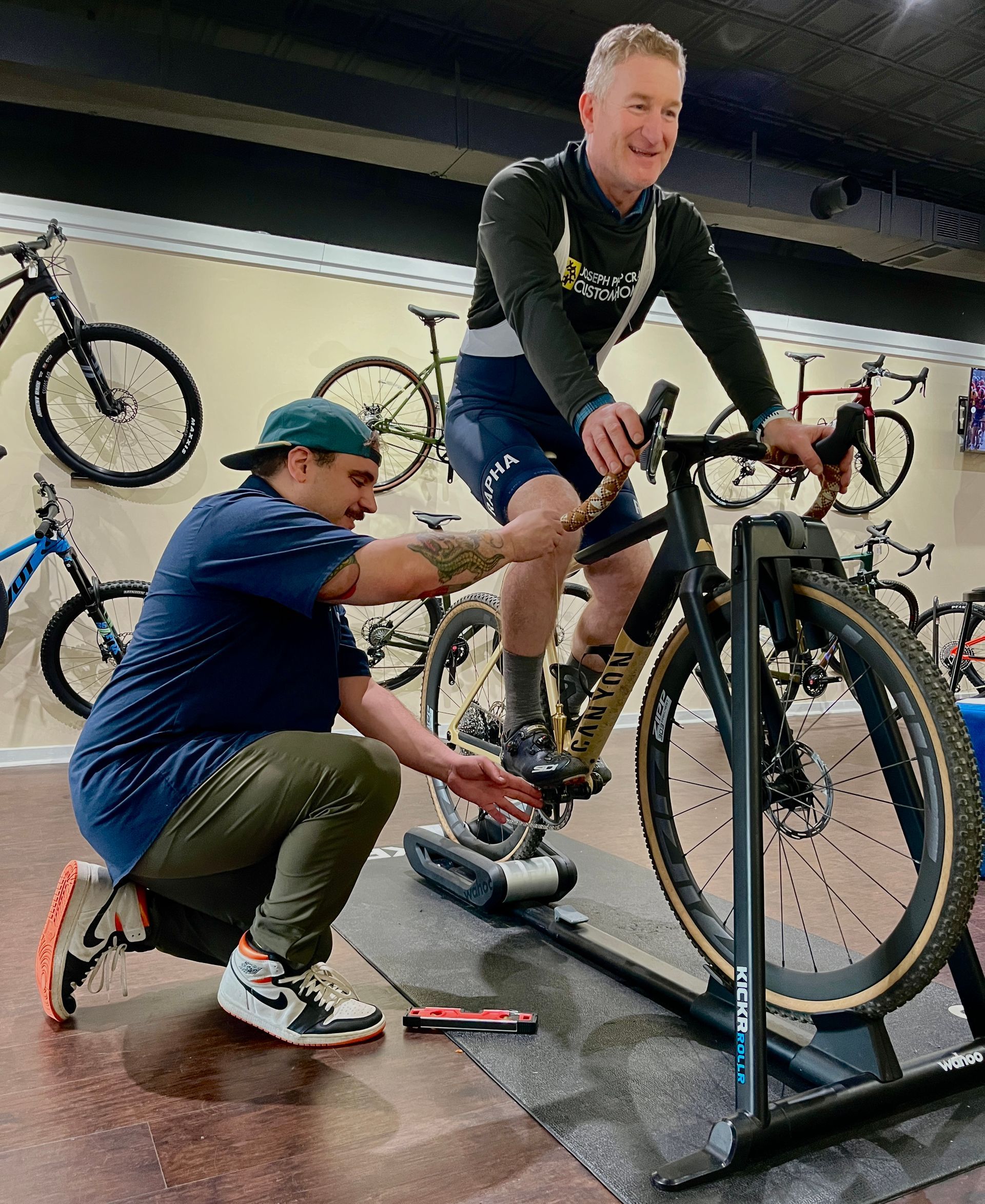
Clever Fox Cyclery combines guided sales with professional bike fitting, mechanical service, and bike customization. Professional bike fitting services are intended to improve comfort, efficiency, and performance. Sizing guidance for children focuses on secure contact with the ground and manageable reach.
Bring your child to the Auburn Hills shop so our team can assess fit, adjustability, confidence, and riding terrain. This hands-on assistance helps families choose between a toddler balance bike, a growth-ready model, and a pedal bike with ease.
Strider Bike Sizing Support for Auburn Hills Families
A properly sized Strider bike helps kids manage their bike easily. They should be able to place their feet securely on the ground, and reach the handlebars comfortably. They should be able to control the frame without unnecessary strain. Auburn Hills families should compare current inseam measurements with the manufacturer’s latest sizing chart for accurate sizing.
Build Early Riding Confidence With the Right Fit
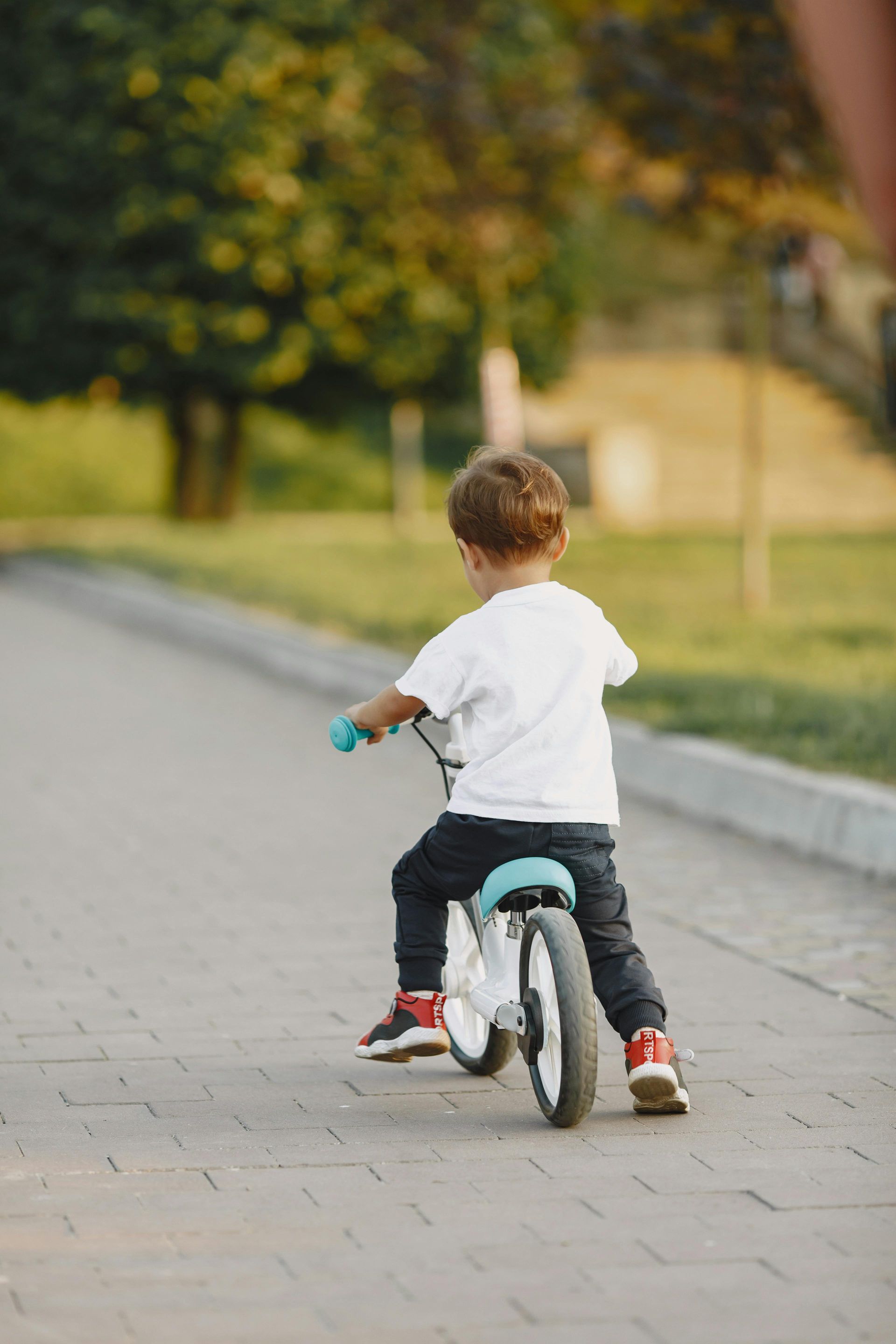
Young riders gain confidence when they can start, steer, coast, and stop without fighting an oversized frame. Set the saddle low enough for both feet to rest flat on the ground with a slight bend in the knees. The handlebars should remain within easy reach while the child sits upright and relaxed.
A bike with room for adjustment can support growth, but their current comfort and control comes first. Avoid choosing a larger model that requires them to tiptoe or makes them stretch toward the grips.
Local Guidance for Young Riders and Growing Families
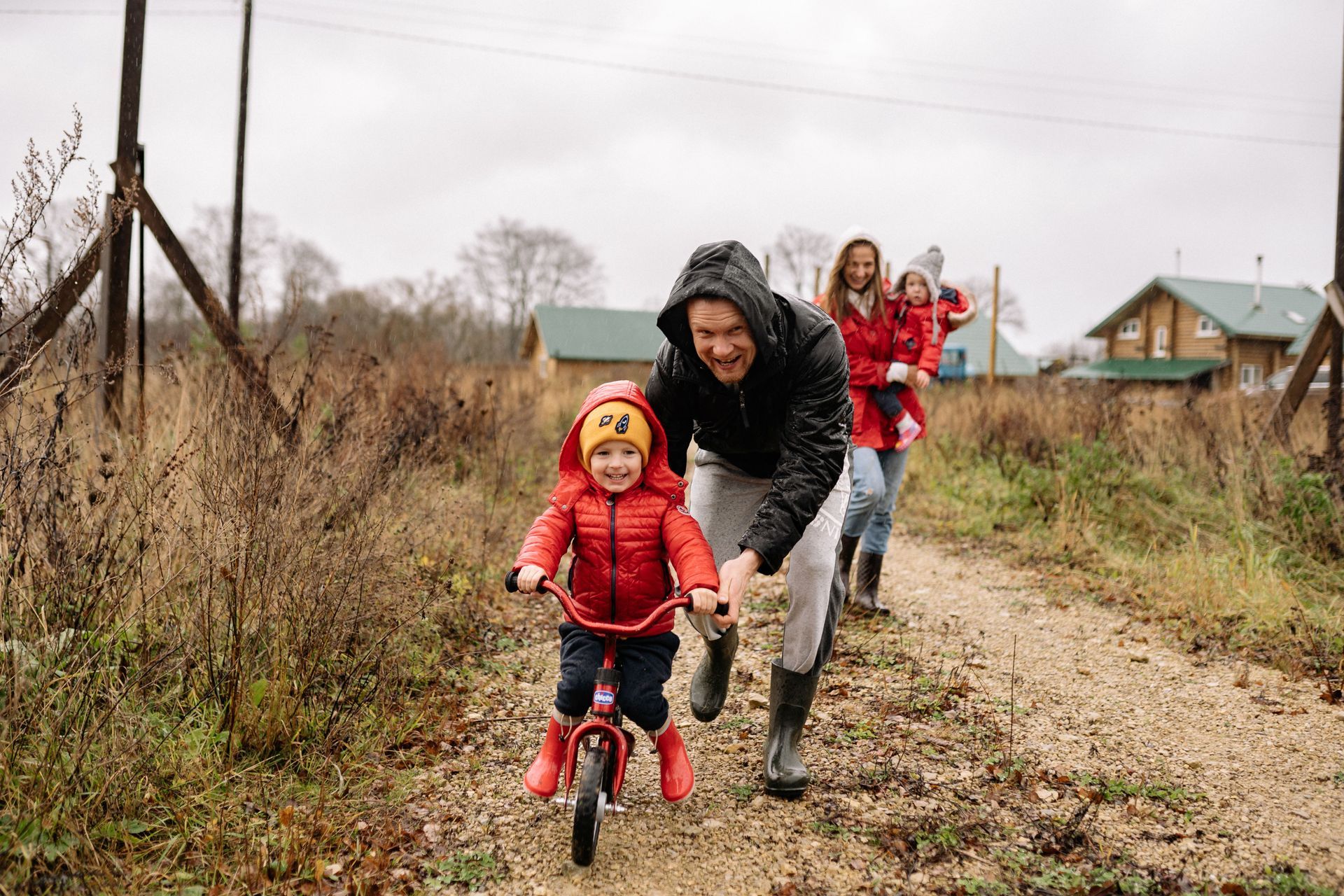
Sidewalks, driveways, and paved paths can provide children with different surfaces on which to practice. Start in a flat, open area away from traffic, steep slopes, obstacles, and crowded walkways. A properly fitted helmet and close adult supervision should be part of every ride.
Recheck sizing when seasons change, especially after a growth spurt or a long winter break. Bulky clothing and different shoes can also affect saddle comfort and foot contact.
Fit Questions to Evaluate

Parents often wonder whether they should buy a bike for their child’s current size or leave extra room for growth. The safest choice is a bike the child can control now, with enough adjustment range to remain useful as their legs and skills develop.
Use these questions to narrow the options:
- Can the child stand over the bike comfortably?
- Do both feet sit flat on the ground?
- Is there a slight knee bend while seated?
- Can the child turn the handlebars without leaning forward?
- Can they lift or reposition the bike independently?
- Does the saddle offer usable upward adjustment for future growth?
If any answer is no, compare another size or configuration before making a decision.
Choose the Right Strider Balance Bike For Your Child

The best Strider balance bike will be determined by the rider’s body measurements, coordination, confidence, and next learning goal. Measure the child’s inseam while they wear the shoes they will normally use for riding. Compare this measurement with the current minimum and maximum seat-height specifications for the model under consideration.
For Toddlers Starting Small
A compact Strider bike with a low saddle can help a toddler learn the basic sequence of walking, scooting, and gliding. Look for a lightweight frame, narrow seating position, easy-to-hold grips, and simple adjustments.
New riders may walk while seated before taking longer strides. That is a normal part of learning. Keep the saddle low enough to preserve full-foot contact until starting and stopping become consistent.
For Children Getting Ready For Pedals
An older or taller child may benefit from a larger balance-bike platform. They may also choose a model designed to accommodate a later pedal transition. Consider if the child can already coast, steer around obstacles, and stop with intention before introducing pedals.
A larger option should still provide safe ground contact and an easy handlebar reach. Pedal readiness does not make an oversized frame easier to control.
Get Bike Fitting Support in Auburn Hills
As your child grows, keep a record of their inseam measurements, saddle changes, and developing skills. This makes it easier to recognize when another adjustment will work, or when a different bike size is needed.
Families can also use current manufacturer specifications, assembly instructions, and model-specific safety information when evaluating the next stage. For expert bike fitting services, come visit us in our shop in Auburn Hills today.
Frequently Asked Questions
1. Which Strider Bike Size Is Right for My Child?
Choose according to inseam, height, and riding experience, then confirm that both feet sit flat on the ground. The Strider 12 Sport often fits younger or smaller riders well, while larger children may need more saddle range or a 14x-style platform.
2. How Much Does a Strider Bike Cost?
Pricing varies by model, frame design, components, tires, accessories, and included equipment. Current product listings should guide the final comparison. Entry models prioritize straightforward function, while higher tiers may use lighter materials or different components.
3. What Should I Look for When Choosing Toddler Balance Bikes?
Prioritize a low seat height, steady foot contact, and comfortable handlebar reach. Ensure simple adjustments and a lightweight frame the child can manage. Leave enough adjustment room for growth, but never sacrifice the child’s current comfort or control to buy a bike that is too large.
4. How Does a Pedal-Free Balance Bike Help a Toddler Learn?
Without pedals, children can concentrate on pushing, coasting, steering, and stopping at their own pace. This format gives toddlers direct control through their feet. It creates a simpler setting for developing rider confidence before pedals become part of the task.
5. When Should a Child Move From a Balance Bike to a Pedal Bike?
Consider this transition when your child can glide with control, steer intentionally, and stop consistently. Readiness depends on current fit, confidence, and interest. This is a good reason to look into professional bike fitting services for maximum comfort, efficiency, and performance.