How to Choose the Right Commuter Bike in Auburn Hills 🚲
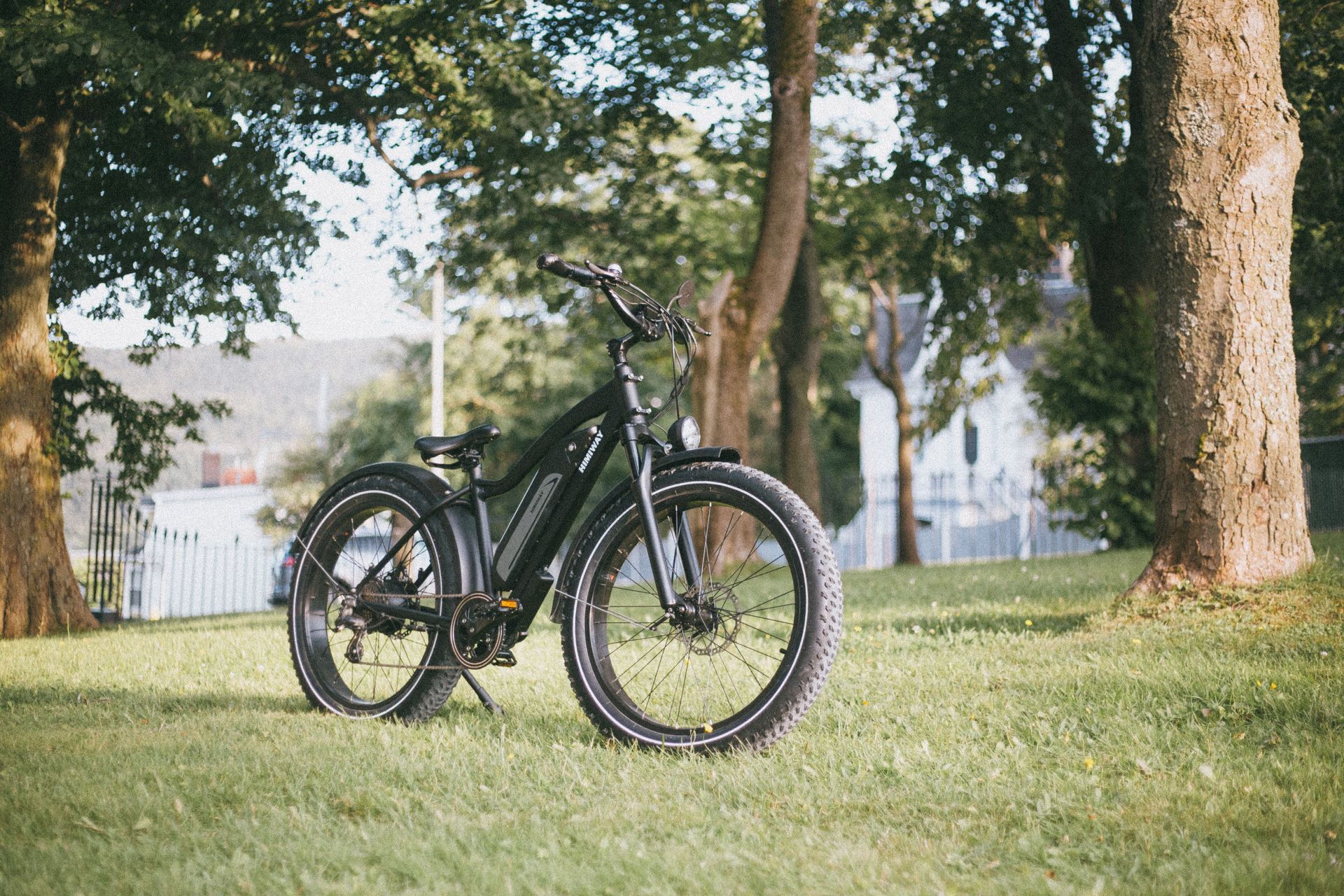
A commuter bike will often disappoint for a number of common reasons. It can get dirty in the rain, move poorly through traffic, and it can be annoying when you need to carry anything larger than a water bottle. This guide will teach you how to pick the right commuter bike and accessories for Auburn Hills roads and weather. Keep reading to discover how to create a useful and comfortable set up.
Key Takeaways
- A good commuter bike is the one that still performs in less than ideal conditions. This often highlights the difference between a commuter bike and a bike that can handle repeated commuting.
- Belt drives reduce grime and daily fuss, but mounts and clearances are what make the bike manageable.
- Bar choice should depend on route and comfort, while lights, locks, bags, fenders, and pedals help you overcome small daily obstacles.
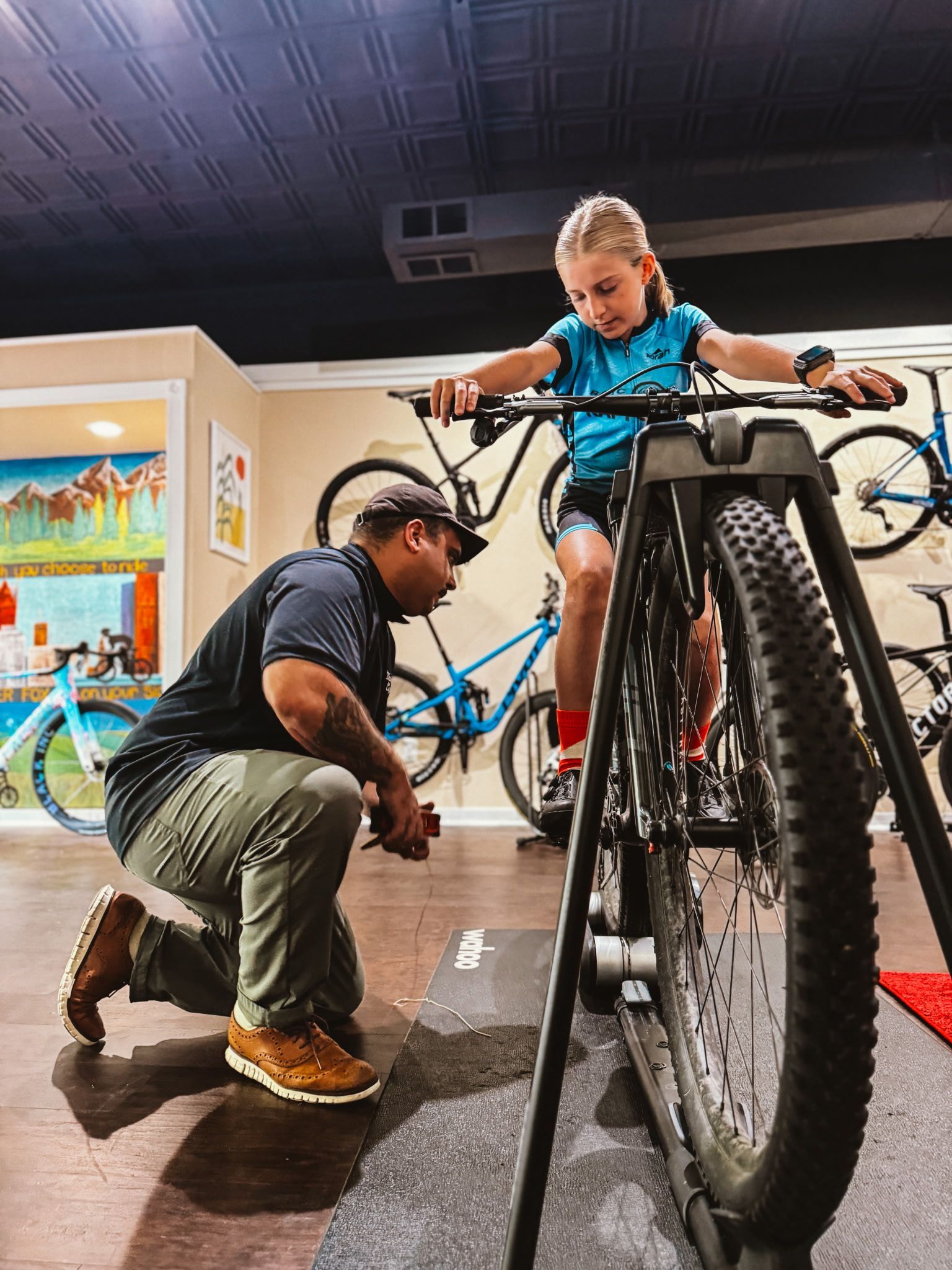
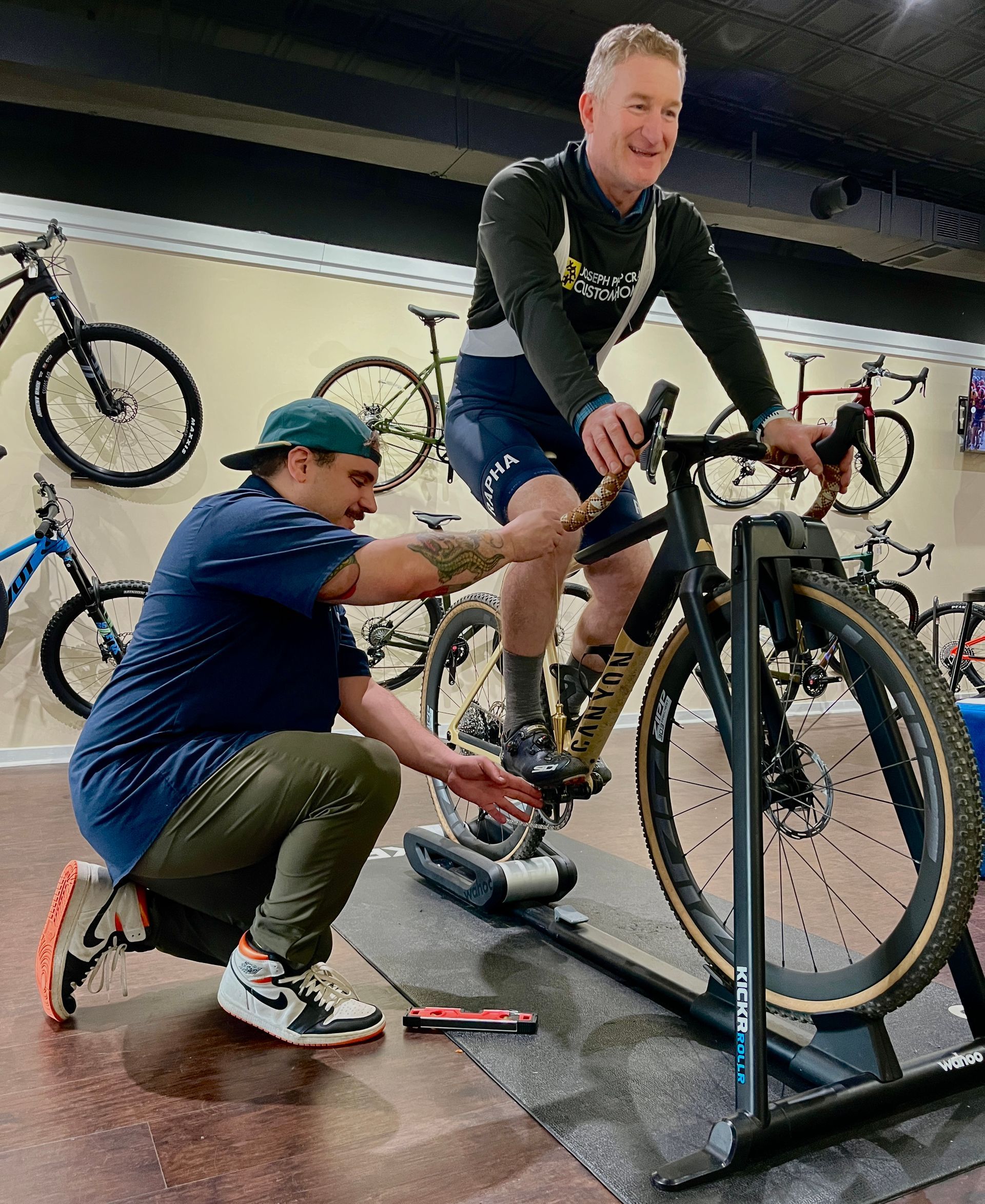
- Professional bike fitting services, like those at Clever Fox Cyclery set riders up for maximum comfort, efficiency, and performance.
Consider Your Worst Commute

The best bike commute setup for you is the one that still performs in poor conditions. This might happen when the road is wet, the sky is dark, or your bag is heavier than usual. Commuter bikes fail less from lack of speed than from friction in daily use. This could include dirty drivetrains, poor cargo options, or weak weather protection.
Parking matters too, because many commuters lock up at work, a gym, or near retail stores. A bike that has no place for a lock, lights, or bags is harder to live with than a slightly heavier model built for daily utility.
A Simple Commuter Needs Checklist
Short hops usually reward upright comfort and quick starts. Longer commutes can justify a more efficient position and more hand positions. Stop frequency and cargo load can make a three-mile route feel more demanding than a steady eight-mile ride.
Clothing is another consideration. If you ride in work clothes, you'll be more concerned with fenders, and clean drivetrains than someone who changes when they get to work.
Belt-Driven Bikes: Why They’re Durable and Low-Maintenance
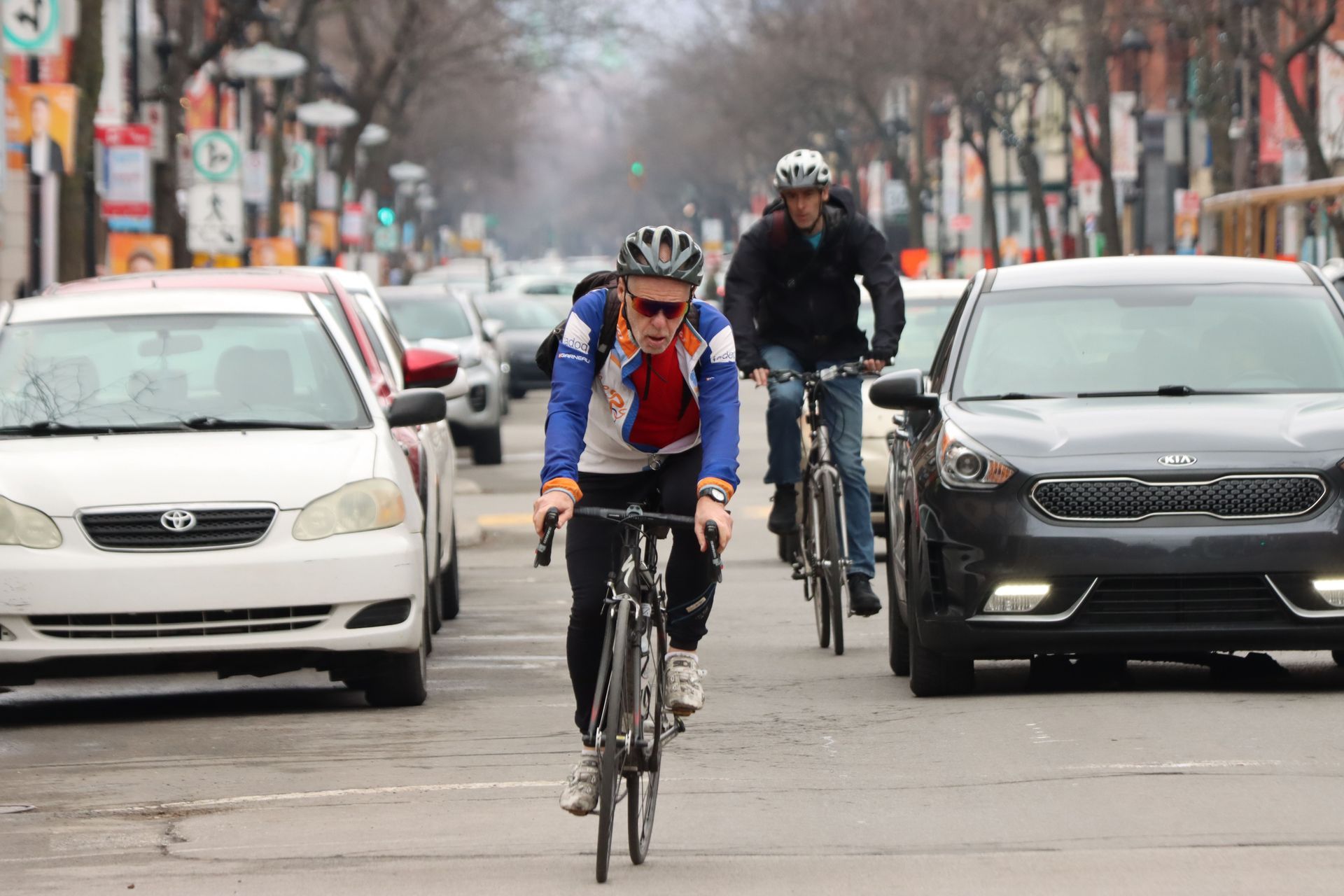
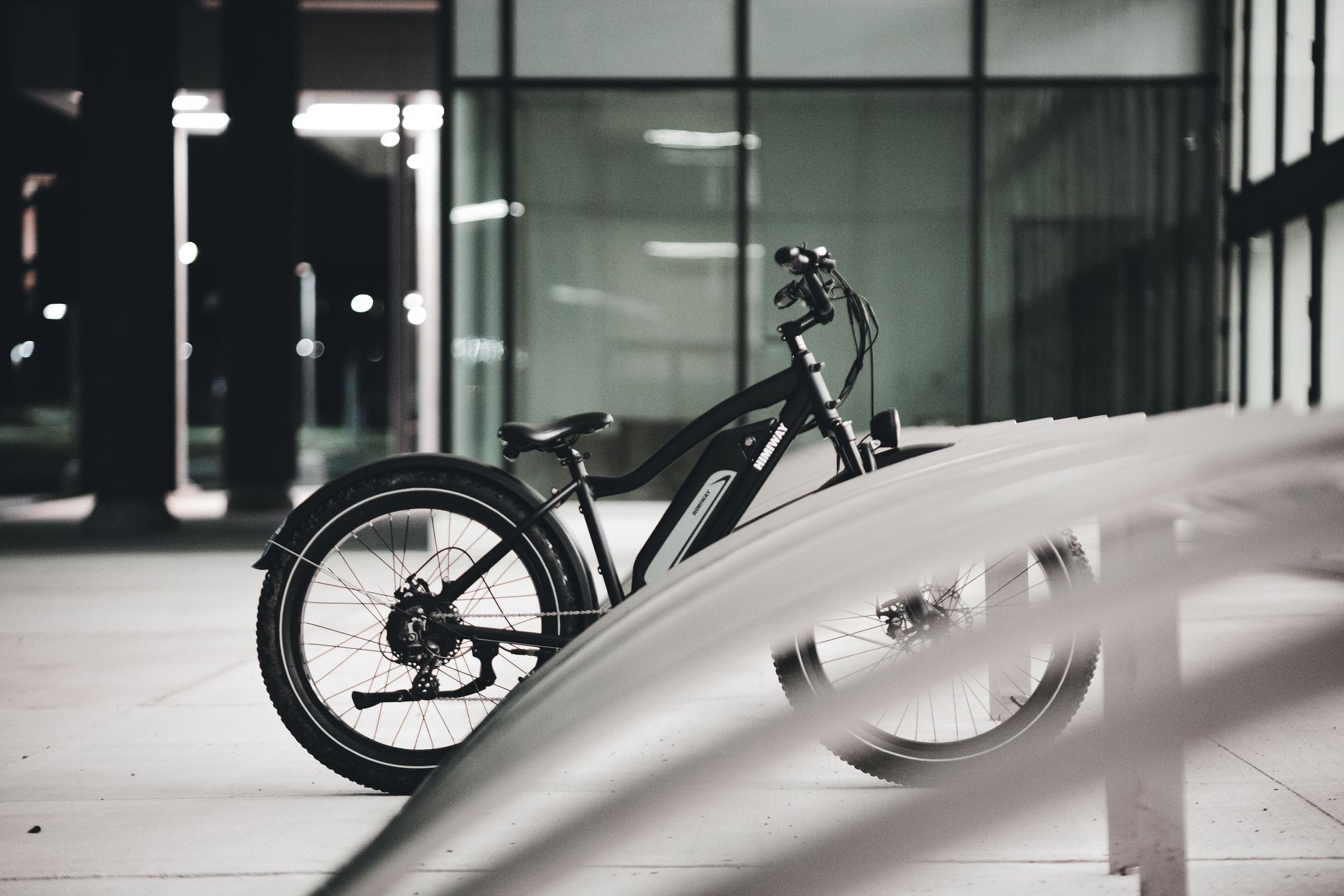
Belt-driven commuter bikes appeal to daily riders because belt drives run without oil or grease. People widely describe them as cleaner and lower-maintenance than chains in everyday use. This can reduce the frequent cleaning and lubrication chores that make weekday riding feel like work.
Low-maintenance does not mean maintenance-free. It means less frequent drivetrain maintenance, less mess, and fewer lubrication tasks. Meanwhile, tires, brakes, bolts, and wheel condition all still need regular attention.
Most belt systems connect with an internal gear hub or another specific drivetrain layout instead of a standard derailleur. The clean, enclosed shifting approach works well for commuting. However, it also means designers must build compatibility into the bike from the start.
Belt Drive vs Chain Drive
A belt runs quietly and without oil. This makes it especially useful for riders wearing regular clothes or who need to store the bike indoors. Commuters are more likely to ride often when post-ride cleanup is minimal.
On the other hand, chains still have advantages. They are usually cheaper, easier to source almost anywhere, and more universally serviceable. However, in wet grit or around winter salt they require regular cleaning and lubrication to stay quiet and efficient.
What to Look for on a Belt-Drive Commuter Frame
A belt-compatible frame needs a frame split, often called a belt port. This is because a continuous belt cannot be threaded through a rear triangle like a chain. That small structural detail is non-negotiable. The finish quality reveals whether the bike’s engineers truly designed it for commuting.
The tensioning system also matters. Belt tension affects noise, efficiency, and durability. Sliding dropouts or an eccentric bottom bracket make belt tension easier to set consistently. This reduces the chance of creaks or skipping after wheel removal.
Rack and Mounting Points

Rack and fender mounts determine whether a bike can become a true commuter. Riders usually focus on frame material and gearing first. However, a bike that cannot carry gear easily or fit full fenders often causes more long-term frustration. This can be worse than a bike that has slightly less exciting components.
Check for rear rack eyelets, seatstay mounts, fork mounts, and fender mounts. Also consider triple bosses for bottle cage mounts, phone mounts or extra cargo beyond a simple saddle bag or top tube bag. These small threaded points are the infrastructure of commuting. They allow the bike hold your daily load instead of your shoulders and lower back.
Clearance is just as important as mounts. A commuter frame needs room for the tire, the fender, and the layer of road grit that accumulates in bad weather. This is because tight clearances turn wet rides into constant rubbing and clogging.
The Best Mounts for Commuting
Rear rack eyelets and seatstay mounts create the most stable starting point for panniers, trunk bags, or a basket. A properly mounted rear load keeps the bike predictable. This is essential in areas with heavy traffic.
A front rack can also be useful, especially for heavier or bulkier loads. Front load options and cargo cages can improve weight distribution on longer commutes. However, these only help if the fork is designed to handle them cleanly and safely.
Fender and Tire Clearance: The Hidden Commuter Upgrade
Full-coverage fenders will protect a rider's shoes, pants, and the drivetrain. They also make shared paths more courteous by reducing rooster-tail spray. Tire clearance determines whether fenders can coexist with wider tires. This is often the simplest way to improve comfort and control on rough pavement.
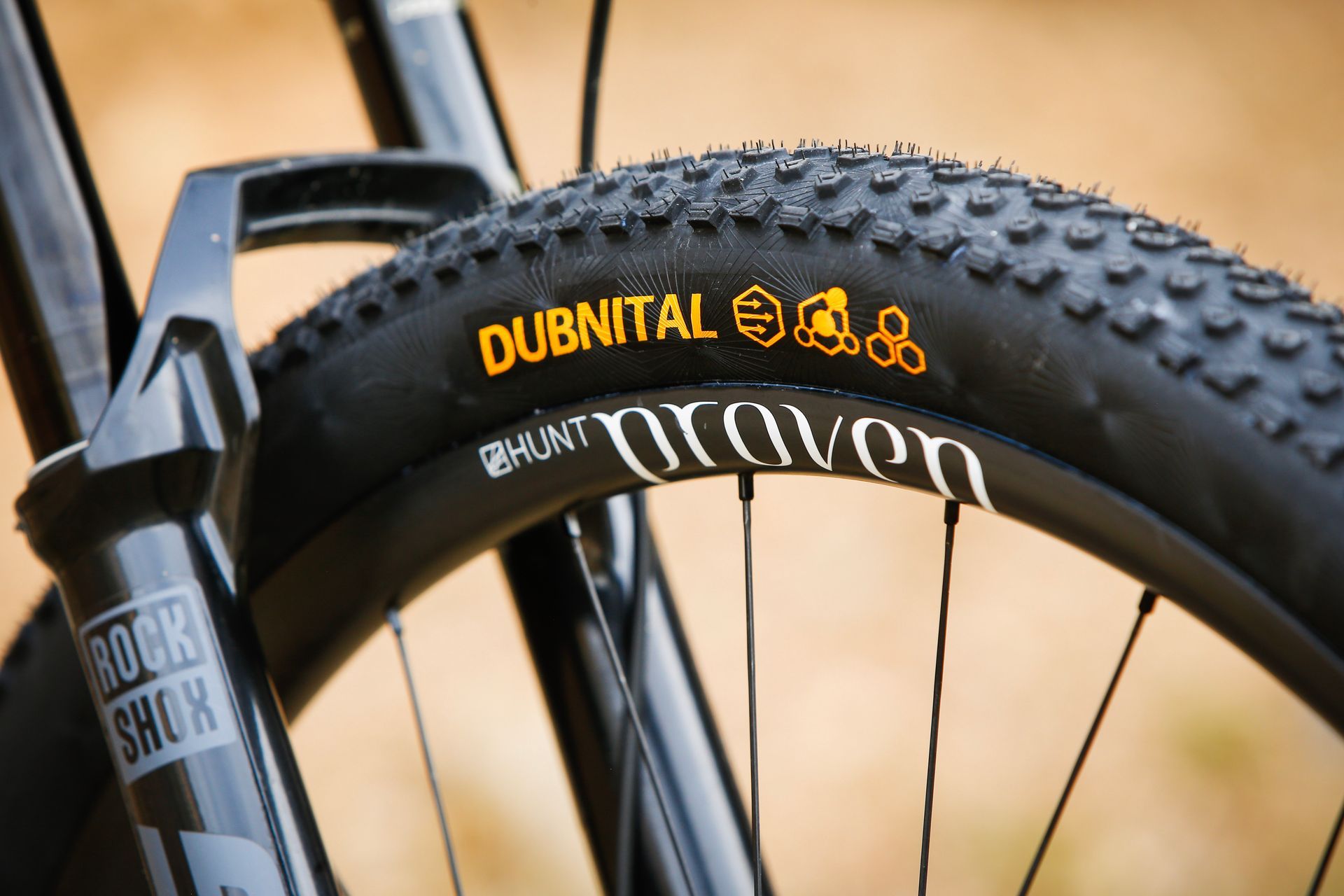
Tire width, tread, and casing affect ride feel more than many cyclists expect, but meticulous mechanical service can keep your rides smooth and safe.
Flat Bars vs Drop Bars
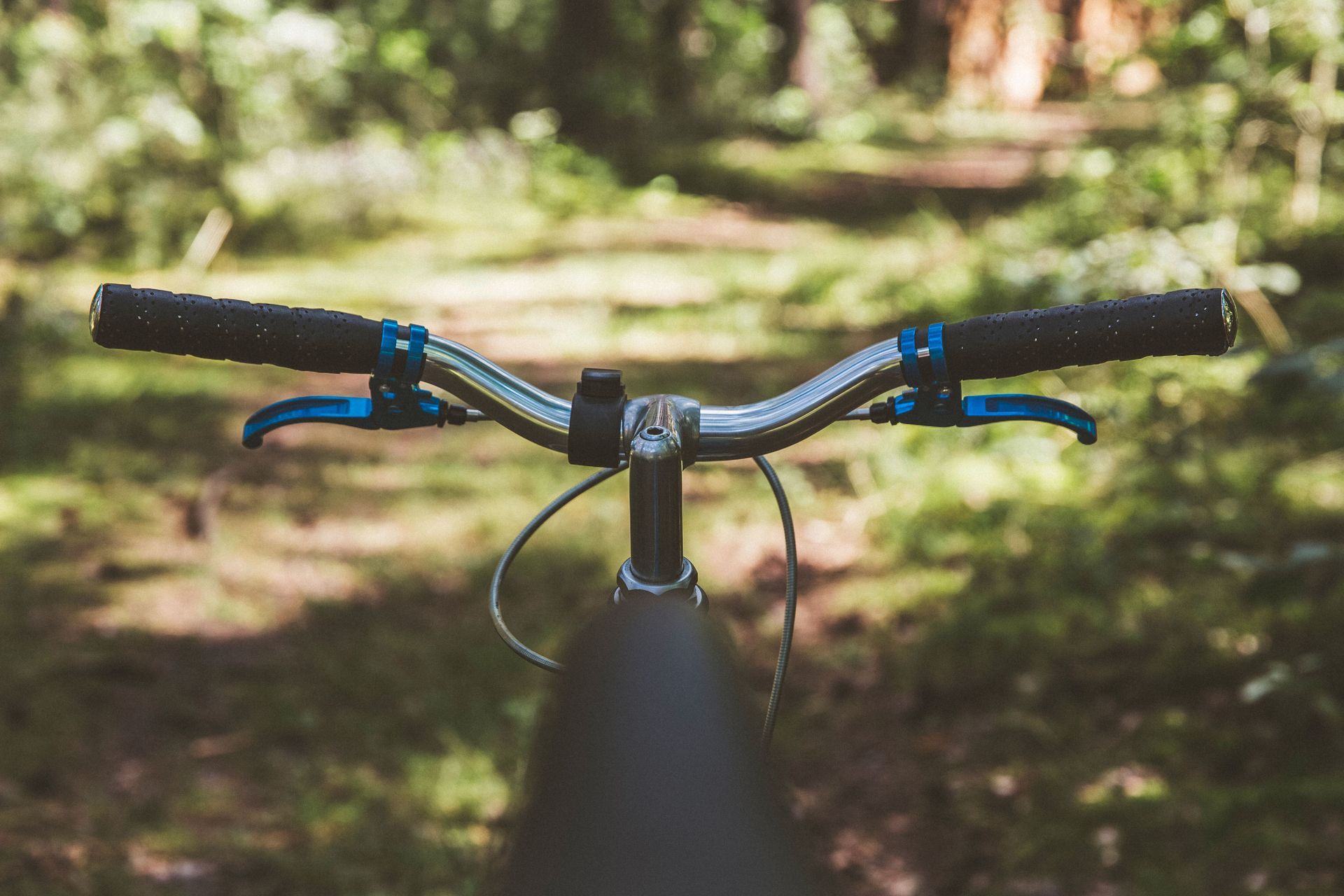
Flat bars and drop bars solve different types of commuting problems. The right choice for each cyclist depends on their posture, traffic density, and route length. It also depends on whether they prefer having upright visibility or multiple hand positions.
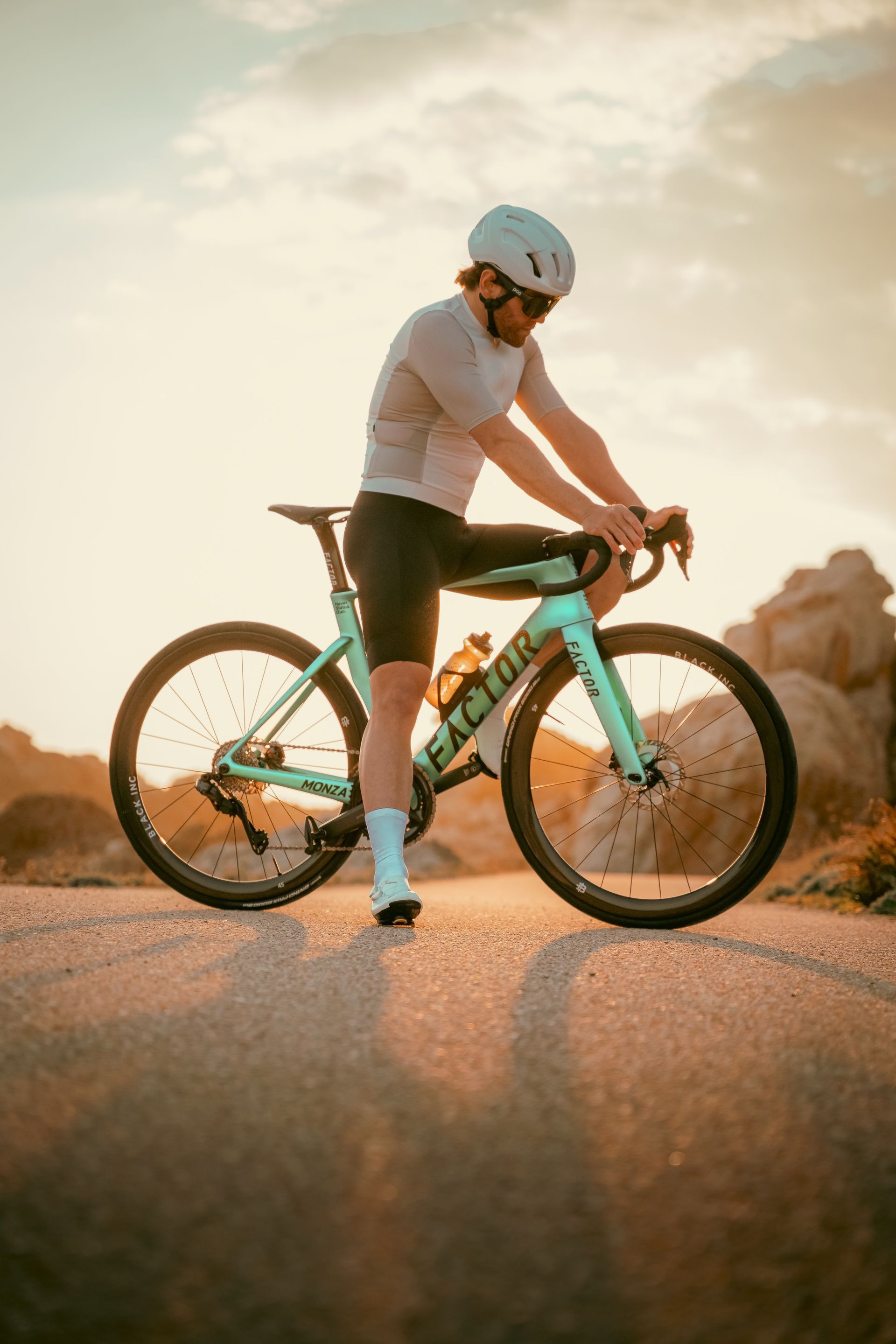
Flat bars typically encourage a more upright riding position that can improve visibility in urban traffic. Drop bars like flared drops put the rider in a lower, more aerodynamic position. They also provide multiple hand positions (tops, hoods, and drops). This can reduce fatigue during longer distances.
Disc brakes have made both categories stronger commuter options. This is because braking performance now depends less on a rider's rim condition in wet weather. This is relevant in Auburn Hills, where rain, grit, and seasonal residue can get in the way of reliable braking.
Accessories That Make Commuting Safer and Easier

Accessories determine whether a good bike becomes a dependable commuter. Lights and locks come first because visibility and theft prevention are the most critical protections.
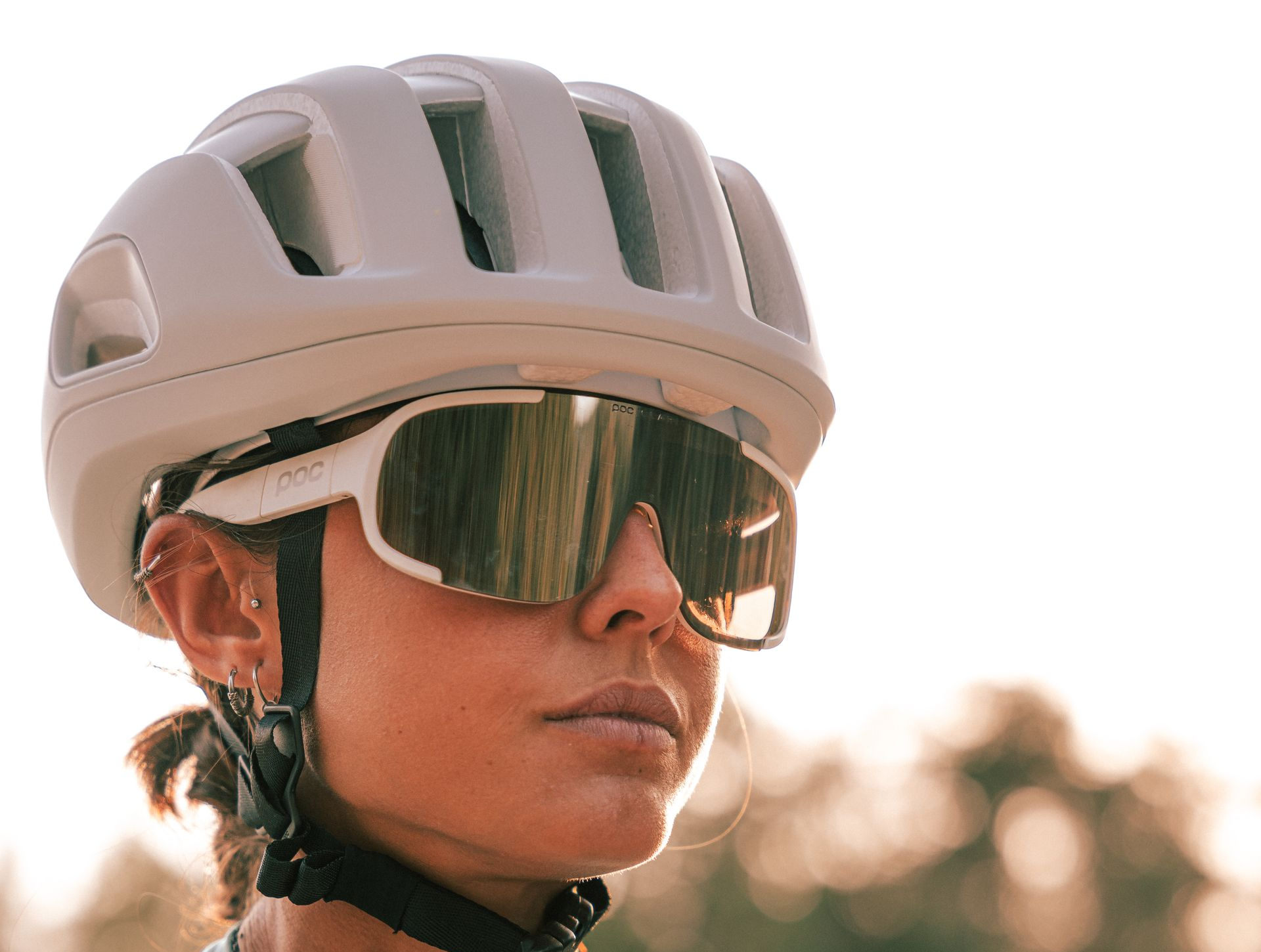
Cargo should stay off your back whenever possible. A rear rack, panniers, or a frame bag reduces sweat and shoulder fatigue. This often improves consistency more than any drivetrain upgrade. Weather protection like mudflaps and proper reflective gear is equally practical.
Lights: Being Seen vs Seeing the Road
On a commuter bike, your front light should align with the route, not just a lumen number. Riders on lit streets need conspicuity and battery life.
Riders on darker roads need a beam pattern that illuminates any dangerous pavement defects, potholes, and debris. Daytime running lights are one option. Riders can invest in USB rechargeable lights as well.
Your rear lights should be visible from multiple angles and bright enough to stand out against traffic. A second rear light is also a good idea in case of a dead battery on the way home.
Locks that Actually Prevent Theft
A quality U-lock, cable lock, or chain lock remains the core accessory for most commuter bikes. Research on U.S. bicycle theft estimates about 2.4 million adult bicycles stolen annually. It also found that 59% of bikes were stolen while they were locked. This makes it clear that lock technique and choice matters.
Bags, Racks, and Carry Systems
A frame bag keeps weight centered and is excellent for tools, chargers, snacks, and small daily items. Panniers carry larger cargo more comfortably than backpacks. Many commuters prefer them because they avoid the sweaty heat chamber effect on the back and remove weight from the shoulders and spine.
Rear racks remain the most versatile commuter accessory. This is because they support groceries, work gear, and changing weather. Front racks can be helpful too, especially if you're looking for quick access to cargo.
Rain Covers, Fenders, and Staying Dry
Full-coverage fenders can significantly reduce wheel spray on the rider. They also keep key areas like the bottom bracket and drivetrain cleaner, although they cannot keep you 100% dry in heavy rain. Road mist from the front wheel often causes more shoe and drivetrain grime than obvious splash.
A rain cover can help on non-waterproof bags, but waterproof panniers reduce complexity. The less items you need to remember before leaving home, the more reliable your commute becomes.
Pedals: The Overlooked Safety and Comfort Choice
Flat pedals with strong grip are practical for everyday shoes and frequent stops. They support quick foot placement in traffic, which many urban riders value.
Dual-sided flat/SPD pedals
offer flexibility for riders who daily commute both clipped in and ride casually. This versatility is beneficial when you use the same bike for both weekday transportation and longer weekend rides.
Customize your Commuter Bike at Clever Fox Cyclery
The right commuter bike and accessories are highly dependent on the cyclist, their regular route, weather, and cargo load. Having the right setup is essential so you can depend on a comfortable and safe ride every day. A bike that fits your body perfectly is the next step to ensuring both of these factors.
Come visit us in our Auburn Hills, MI shop for a professional bike fitting at Clever Fox Cyclery today. Our passionate, knowledgeable team dedicated to educating and empowering riders will have you feeling confident on your ride in no time.
FAQs
1. What makes a good commuter bicycle?
A good commuter bike is reliable, comfortable, and easy to equip for daily use. Look for stable tires, dependable brakes and brake pads, mounts for racks and full fenders, and room for strong lights and secure locks. These can all support your comfort and safety, even during stop-and-go riding.
2. What is the best kind of bike to get for everyday use in the neighborhood?
A hybrid bike or gravel-style bike is usually the most flexible choice. Wider, thicker tires, and plenty of mounting points make your ride easier overall. A comfortable position with correct stem length, saddle position, and handlebar reach make this bike ideal on city streets and paths.
3. Which type of bike is most popular for urban commuters who also use trains or buses?
Folding bikes are the most common mixed-mode option. Their main advantage is portability, which makes transit connections, apartment storage, and office storage much easier.
4. What to wear when commuting on a bike?
Wear breathable layers you can adjust as conditions change. Add rain protection and reflective gear when needed, and use full fenders to arrive cleaner in regular clothes.