Explore the Many Bike Fit Benefits Beyond Performance 🚲
In recent years, cycling and indoor training have both increased significantly. This means more riders are spending more time on bikes and noticing signs of discomfort more quickly than ever. Fortunately, there are plenty of bike fit benefits you can access by booking a professional bike fitting session.
The right fit can improve comfort, cycling efficiency, and bike handling. It can also in many cases improve related hip pain, knee pain, lower back pain, or neck pain. In this guide, you'll learn more about your bike fitting options and which is right for you.
Key Takeaways
- A proper fit improves comfort by adjusting settings like saddle height, tilt, and handlebar reach to prevent pain and injury.
- Optimized adjustments like cleat position and riding posture increase speed by enhancing pedaling efficiency and leveraging aerodynamics.
- Correct bike positioning prevents issues such as knee pain, hip strain, or hand numbness during rides.
- Small adjustments in your bike setup help both road cyclists and indoor riders stay comfortable on long trips.
- Visiting a local bike shop like Clever Fox Cyclery in Michigan will ensure better performance and endurance.
The Definition of a Bike Fit
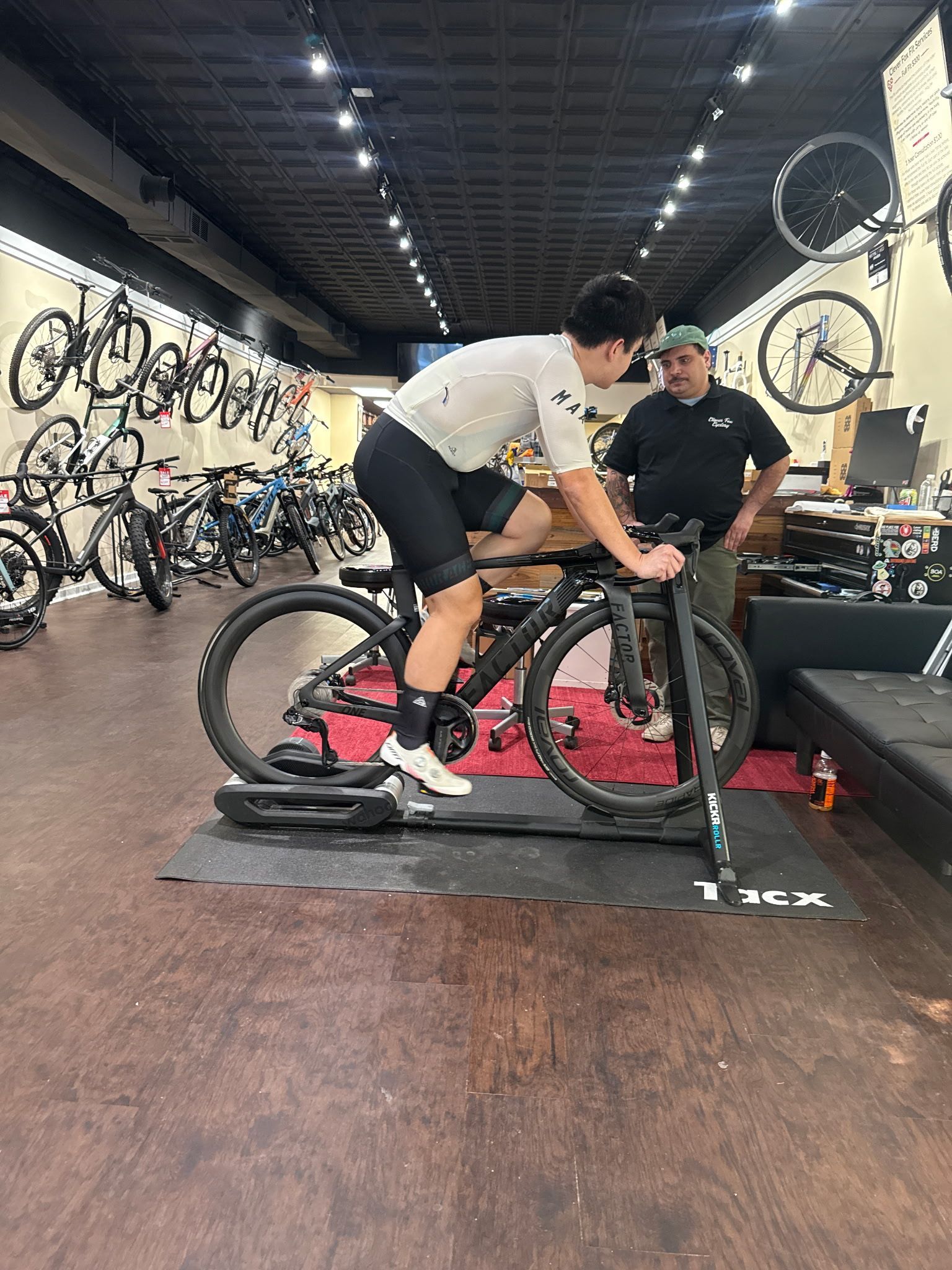
A bike fit is the act of aligning a rider’s biomechanics to the bike’s contact points. This allows the rider to produce force, breathe well, and steer with predictably. Many riders confuse fit with copying pro-bike aesthetics. However, the actual goal is to create a sustainable relationship between the rider, the pedals, the saddle, and the bars.
A basic setup usually covers variables such as saddle height, bar position, and cleat rotation and alignment. A full professional fit will also include movement assessment, pedaling mechanics, and iterative changes under load. A quick shop setup may solve most of your discomfort. However, it doesn't usually explain why one rider develops hip pain while another loses stability when the pace increases.
Key Contact Points a Bike Fitting Can Fix
Core adjustments include saddle height, saddle fore-aft, and saddle tilt. These settings determine a rider's pelvic support, leg extension, range of motion, and their strength through the pedal stroke. Small changes often alter knee loading and trunk posture more than riders expect. This is why small millimeter size changes can change everything.
At the front of the bike, handlebar reach, handlebar drop, and hood position shape torso angle. They also determine the pressure through the hands, control during braking, and descending stability. Riders often chase speed by going lower and longer, but sustainable aerodynamics rely on support and stability.
Cleat placement and stance width influence knee tracking, ankle motion, and how force travels through the lower limbs. Q-factor choices, pedal spacers, or wedges can be useful when joint alignment or foot structure create repeated patterns.
Top Bike Fit Benefits
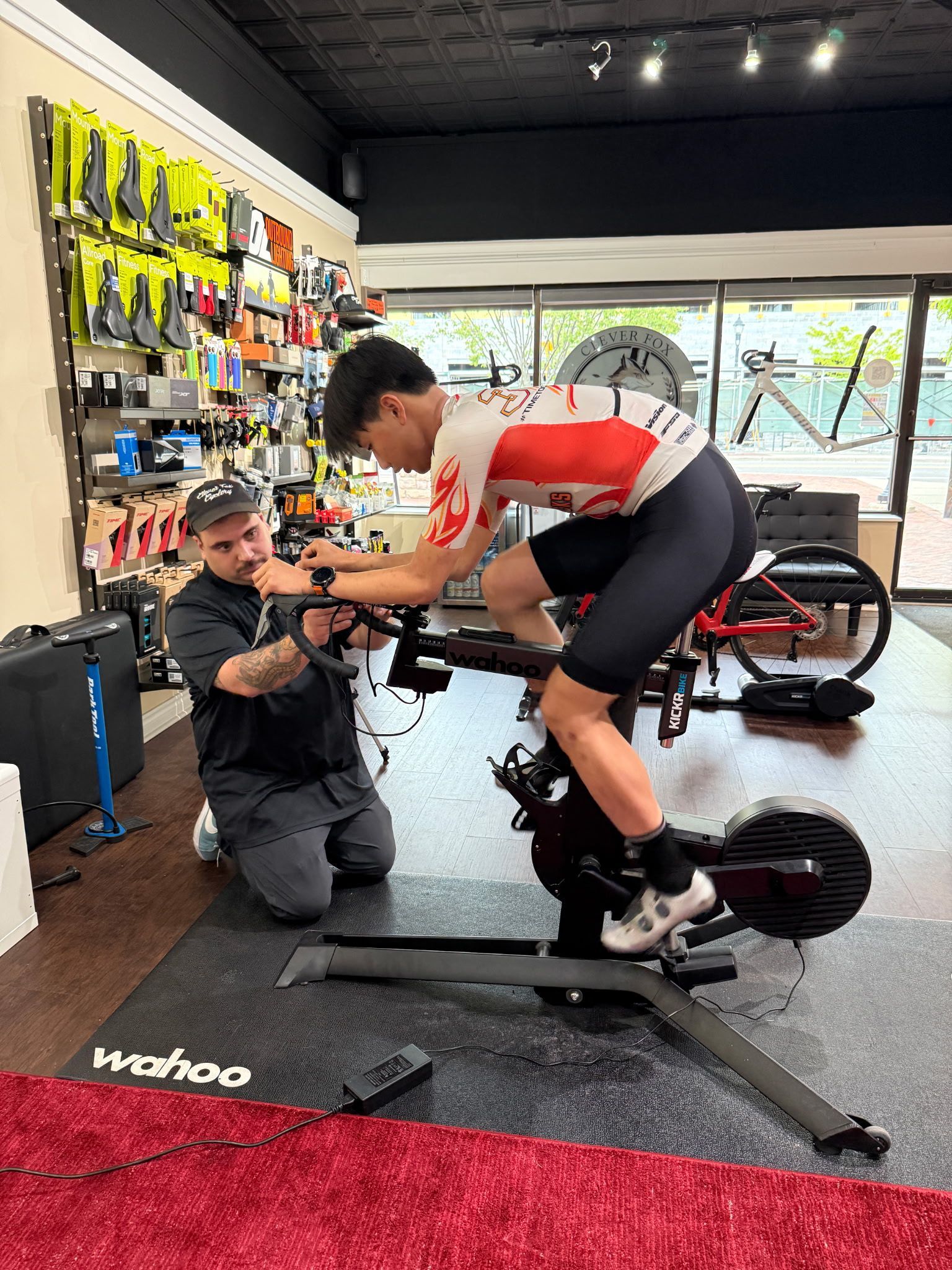
Most riders notice comfort issues first. Discomfort is immediate while performance gains accumulate over repeated rides. After a fitting, you'll often experience less knee pain, foot numbness, or a relaxed neck and back before you notice any dramatic shift in your speed.
Comfort on long rides and on consecutive days of riding a bike will also often improve. This is because pressure becomes distributed more evenly and the rider stops fighting the bike.
A good fit can also improve power output. It reduces major energy leaks such as rocking hips, unstable shoulders, or poor knee tracking. The result is smoother pedaling and more repeatable efforts for endurance riding, climbs, and trainer sessions.
Comfort Benefits
Better pressure distribution across the saddle can reduce hot spots, chafing, and recurring saddle sores. Saddle comfort is rarely just about padding. Posture, pelvic support, and fore-aft balance determine where your body weight actually lands.
Improved reach and upper-body support reduce the need to brace constantly through the hands and shoulders. Riders who avoid overloading the bars often feel less fatigue in the triceps, traps, and neck after long rides.
Performance Benefits
A balanced torso angle supports better breathing mechanics. The reason for this is that it allows the diaphragm and rib cage to move more freely. This is why some riders gain more from a slightly higher front end than from a lower one that restricts ventilation.
Stable hips matter because pelvic rocking wastes energy and disrupts force transfer. When the pelvis stays controlled, cadence smooths out and power delivery becomes more consistent over time.
Injury-Prevention Benefits
Fit can reduce the risk of overuse injury by improving joint angles and helping the legs track more predictably. Lower cumulative stress matters because repetitive load is what turns a small mismatch into a chronic issue.
A good fit can also reveal asymmetries that deserve
medical input. That insight is valuable because not all pain is a fit problem. Early referral can prevent months of trial-and-error changes.
Benefit-by-Benefit Comparison

The best fit option will depend on rider type, symptom severity, and how much precision the situation requires. A commuter with mild hand pressure and an endurance rider increasing mileage do not require the same setup.
Option 1: DIY Bike Fit
This option works best for visible problems such as a low saddle, poorly angled hoods, or cleats set far out of range. It is the cheapest path, but it places the burden of diagnosis on the rider. This is risky when symptoms have multiple causes.
Its main limitation is that static photos rarely explain dynamic movement. Many riders can identify a poor setup error, yet miss asymmetry or poor stability.
Option 2: Professional Bike Fitting Service
A professional fit is usually the fastest route to address any issues. This may be necessary when discomfort continues to return, the fit of a new bike feels off, or when a rider is about to increase their mileage.
Bike experts like those at Clever Fox Cyclery in Auburn Hills will check position, adjust contact points, and offer recommendations for handlebar width, stem length, insoles, and more. They also often set up a follow-up session to ensure proper fit.
Option 3: Fit Integrated With Physical Therapy
This option is best for cyclists with
chronic knee, hip, or back pain. Those struggling with post-injury return or major asymmetry issues will not benefit from standard fit changes. Combining fit with physical therapy works well for those with pain. This is because mobility limits will keep recreating the same problem even after the bike is adjusted.
Signs You’d Benefit From a Fitting
Recurring pain or numbness in the hands, feet, knees, hips, neck, or lower back is the clearest signal that your biking setup deserves attention. Symptoms that appear predictably after a certain amount of wear or intensity usually point to a repeatable load problem.
Saddle discomfort is another common sign, especially when chafing, pressure points, or saddle sores keep returning. Persistent saddle issues often reflect support and posture problems, not just an ill-fitting saddle.
Get The Right Fit With Clever Fox
A proper bike fit can make every ride smoother and more comfortable. You’ll avoid common injuries and prevent unnecessary pain. Whether you use a road bike, mountain bike, or have a stationary bike setup, the right adjustments can boost comfort and performance. Message us at Clever Fox Cyclery to set up a professional bike fitting for your best fit today.
FAQs
1. Is a professional fitting worth it?
For longer rides, increased mileage, or recurring discomfort, a proper fit is often worth the cost. It usually improves comfort and efficiency while reducing the chance of overuse. Whether you're riding a triathlon bike or a gravel bike, getting your setup checked out is important to prevent injury.
2. Why is it important to have a bike fitting?
You should align your body correctly to your bike so you can pedal efficiently and stay comfortable. It can also reduce common issues such as knee pain, numb hands, and saddle discomfort.
3. What is the 75% rule in cycling?
The 75% rule usually refers to riding many sessions at an easy-to-moderate intensity to build endurance. This is not a bike-fit rule, but it can determine how long you remain in one position.