How Michigan Riders are Choosing Between E-Bike Brands 🚲
Have you ever considered buying an e-bike? Many people are concerned they might be adding to their problems by adding unnecessary cost and weight. When deciding if an e-bike is best for you, and what e-bike brands to research, you should consider your daily route, comfort, storage, and terrain.
For many Auburn Hills riders, Gazelle offers the best balance of upright comfort, natural Bosch assistance, equipment, and handling. This guide breaks down who will benefit most, which features matter, and when another brand might be a better option.
Key Takeaways
- Michigan riders seeking e-bikes that are best for their daily trips and comfort, not just popular brands.
- Features like battery range, motor type, step-thru frame, hydraulic disc brakes, racks, and fenders matter more than maximum speed or power.
- Visit a local Auburn Hills bike shop like Clever Fox Cyclery for expert fitting services and reliable repairs based on your needs.
- Riders must understand e-bike classes (Class 1 to Class 3). Local rules limit where each type can go in Michigan.
- Gazelle is a brand known for comfortable designs and dependable service by local dealers in Michigan.
Who Should Consider an E-Bike?

An e-bike provides riders with pedal assistance. This helps cyclists travel farther, ride more frequently, and manage effort with less strain. A good e-bike still feels like the rider is cycling, just with a small boost of energy. Hills, headwinds, cargo, and longer distances also become easier to handle consistently.
E-bikes are a great pick for commuters, errand riders, returning cyclists, older adults, and those who want to replace short car trips. In a North American owner survey, 62% of e-bike trips replaced car trips. Commuting and other practical trips accounted for most of those.
Start With Your Everyday Riding Needs
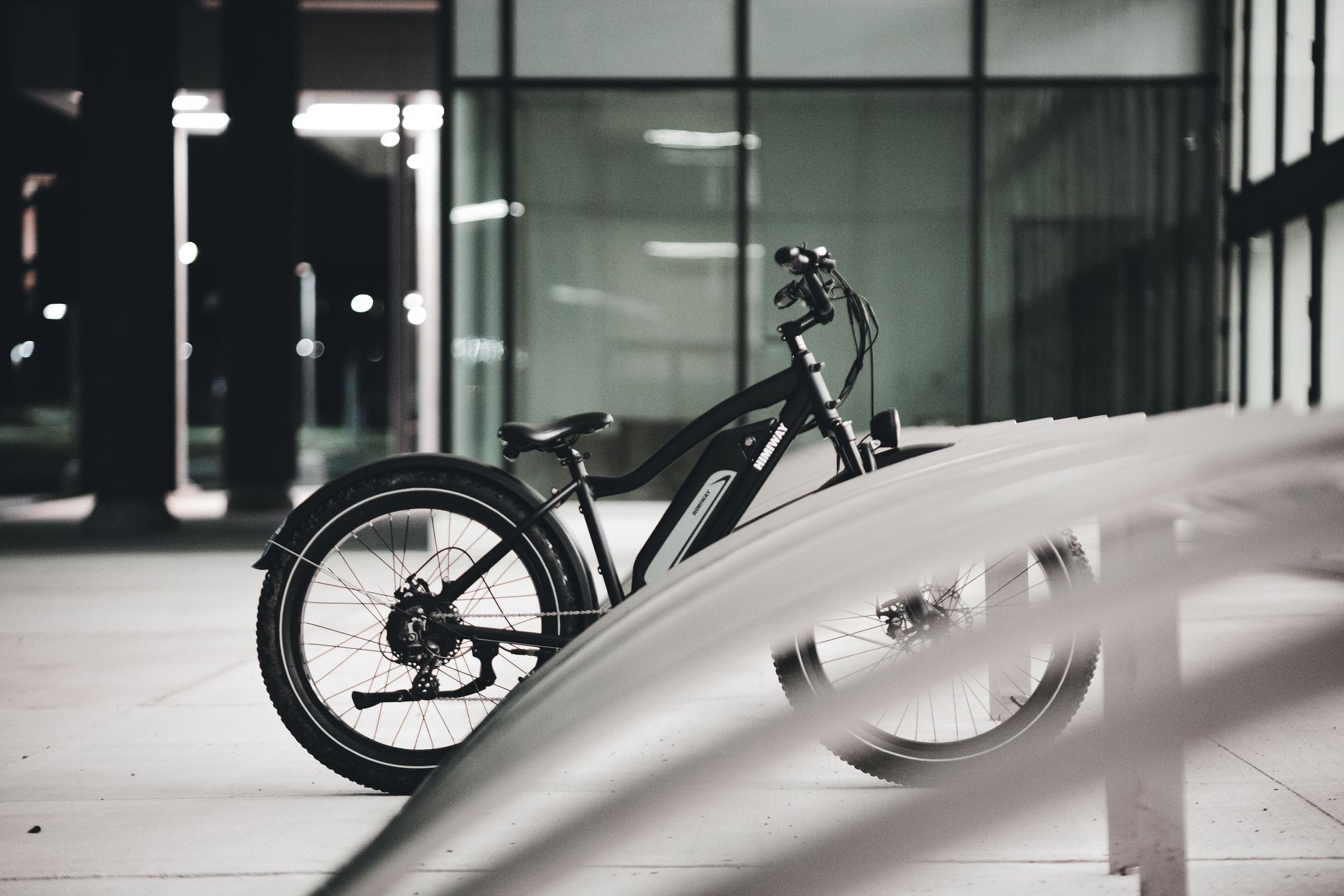
Brand selection should be your secondary priority. Your intended use will determine the right frame, battery, tires, motor, accessories, and riding position. Begin by listing the three trips you expect to make most often. This might include commuting to work, running errands, buying groceries, or taking a recreational ride.
Record each route’s distance, hills, surface quality, weather exposure, cargo, and desired comfort. These details reveal whether you need certain features in an e-bike. This might mean you need a low-access frame, an integrated battery, wider tires, or greater rack capacity.
Commuting and Errands
Frequent-stop riding requires dependable brakes, an upright posture, fenders, front and rear lights, and a sturdy rear rack. Step-through access can also improve control. Riders can mount and dismount without swinging a leg over cargo or restrictive everyday clothing.
Fitness, Recreation, and Longer Paved Rides
Recreational riders should prioritize pedal assistance that feels natural, a supportive saddle, comfortable handlebar reach, and sufficient range. Buying an e-bike just for can leave too little capacity for cold weather, hills, headwinds, or higher assist settings.
Gravel, Trail, and Uneven-Surface Riding
A gravel e-bike requires stable handling, wide tires, durable wheels, and suspension appropriate for gravel terrain. Rough terrain increases traction and impact demands. This means that control and component durability matter more than an impressive speed.
E-bike access can differ between paved paths, natural-surface trails, parks, and managed properties. Under
Michigan DNR e-bike guidance,
Class 1 e-bikes are generally allowed on linear trails with asphalt, crushed limestone, or similar surfaces. This is the case unless the local authority restricts them. Class 2 and Class 3 access requires local approval.
Understand E-Bike Classes and Local Riding Rules
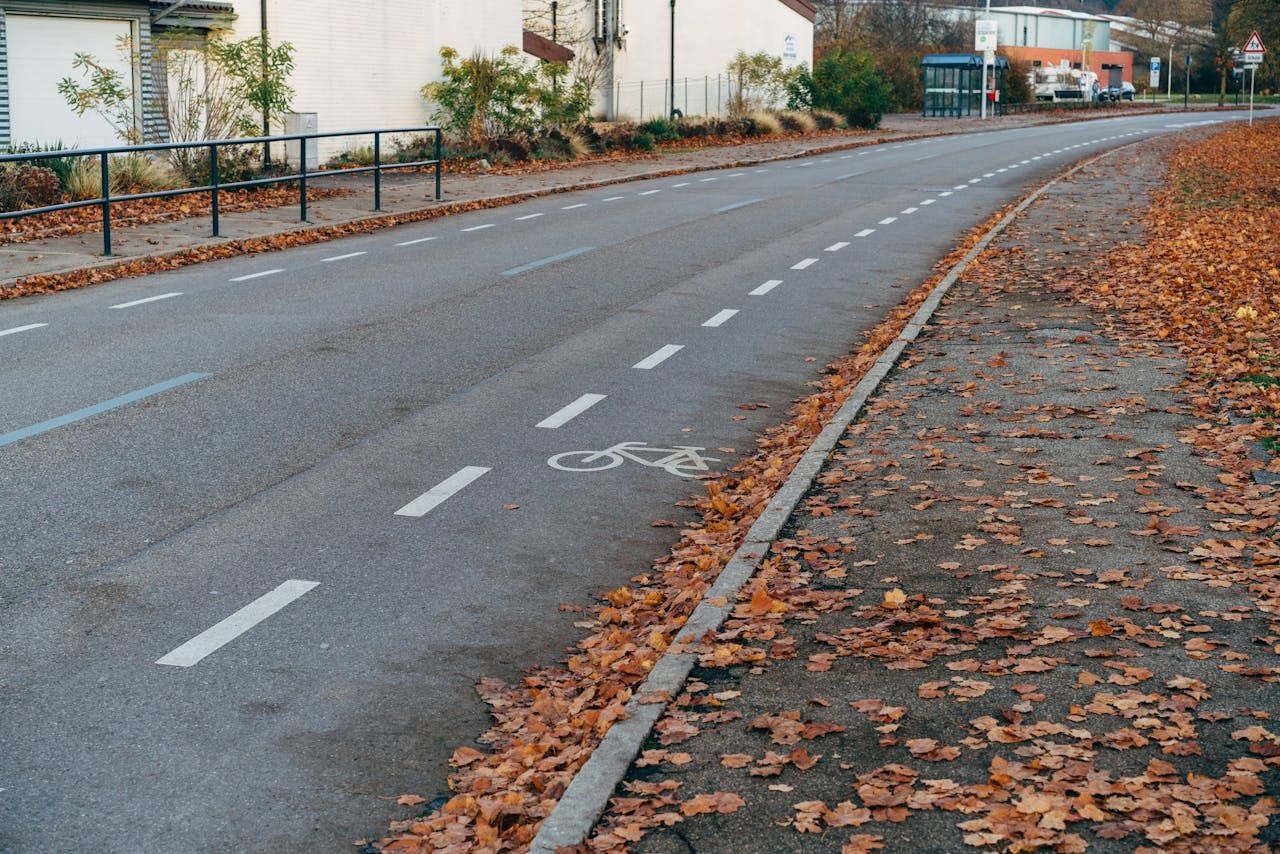
Electric bicycles in Michigan are generally organized into three classes. These classes are based on how pedal assistance operates and when it stops. Class affects riding feel and potential route access. For everyday comfort and paved riding, Class 1 is often the simplest starting point.
Class 1 E-Bikes
A Class 1 e-bike provides pedal assistance only, and motor support stops at 20 mph. The motor complements the rider's pedaling, rather than moving the bicycle independently through a throttle.
Class 1 models often feel intuitive to conventional cyclists. People commonly use them for shared paved routes. However, you must still confirm access locally.
A knowledgeable team at your local bike shop can clarify class differences. However, the controlling authority remains the final source for route rules.
Class 2 and Class 3 E-Bikes
A Class 2 e-bike can provide throttle assistance. It has an assisted-speed limit of 20 mph, subject to applicable regulations. A throttle can help with starts or short periods of movement, but it may change where the bicycle is permitted.
A Class 3 e-bike provides pedal assistance up to 28 mph. It requires greater confidence, braking awareness, and paying attention when around other road users. Its higher speed can also bring additional route restrictions. This makes it unsuitable for riders whose preferred paths exclude the class.
Features That Are More Important Than Maximum Power
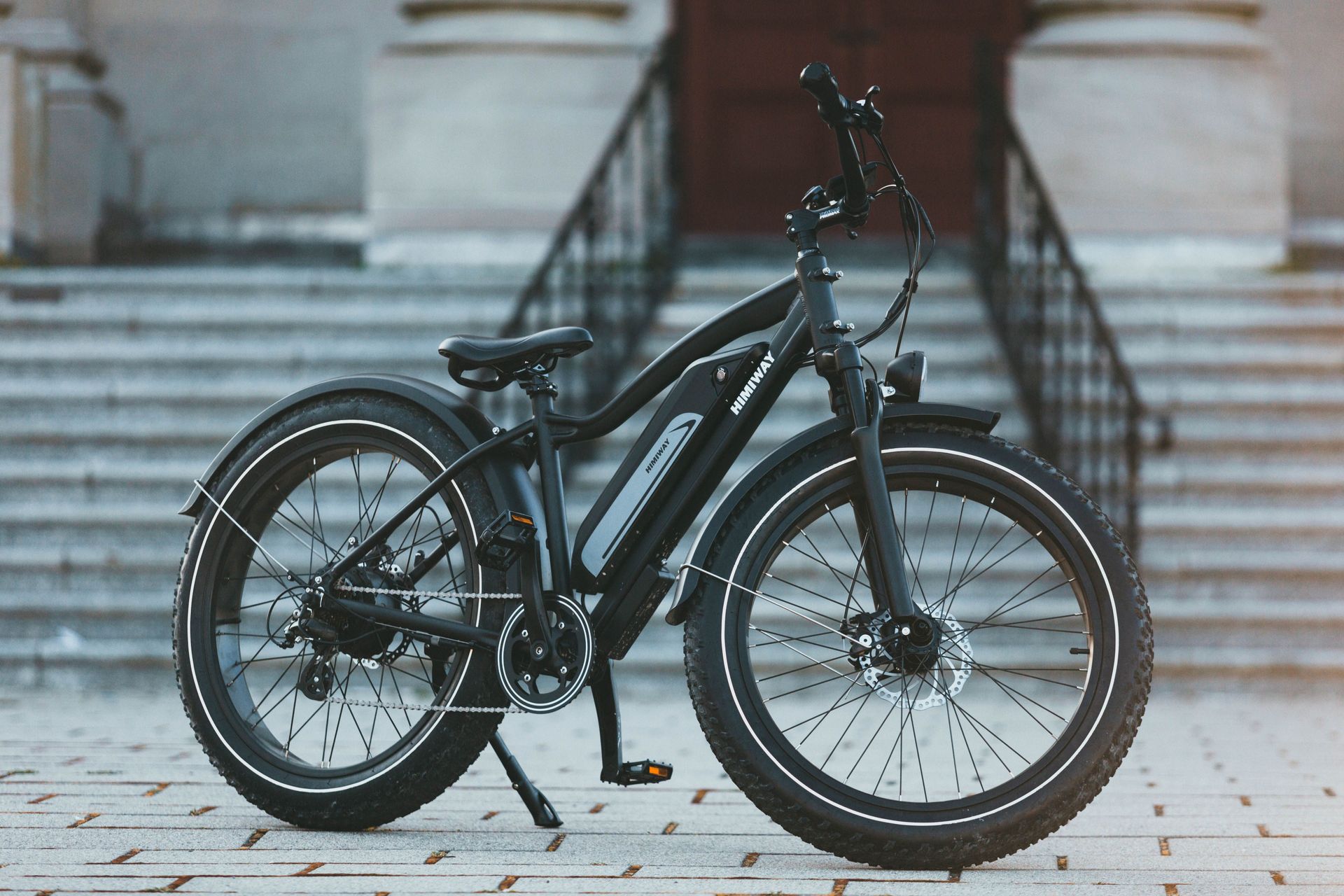
A smooth bicycle that fits correctly is usually safer and more enjoyable. A more powerful model can feel awkward at stops or be unpredictable through turns. Riding position, frame access, motor placement, battery integration, braking, tires, lights, racks, and fenders are all important features. These should be thoughtfully considered before speed.
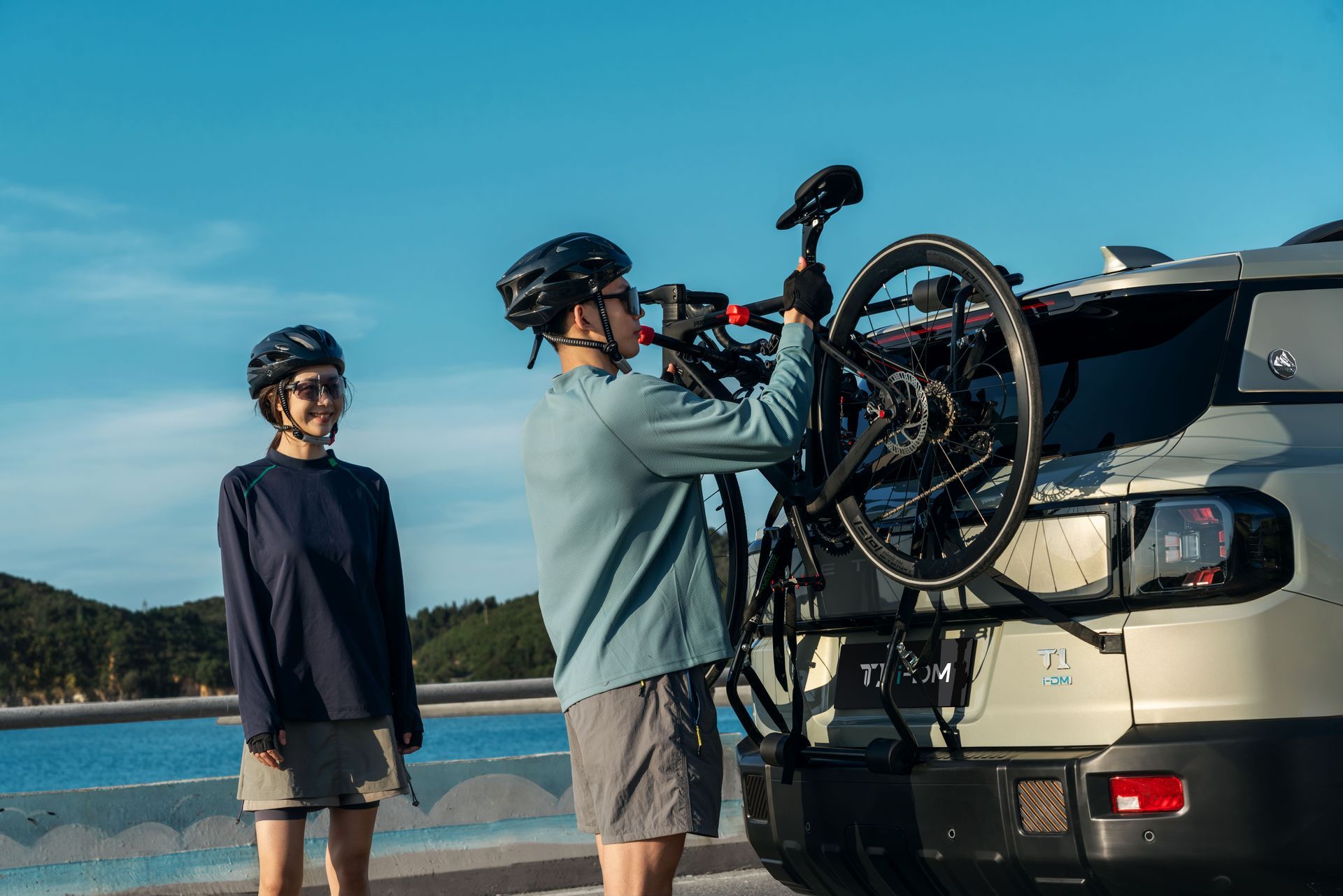
The bike's total weight also deserves attention. E-bikes are often harder to carry upstairs, place on vehicle racks, or maneuver inside apartments. Riders should test the full bicycle instead of assuming that a frame will be easy to lift. Warranty support, replacement-part availability, and ease of long-term service should influence your purchase.
Comfort and Fit
An upright riding position places less rider weight on the handlebars than a typical road-bike posture. This position can therefore reduce pressure on the hands, wrists, and neck.
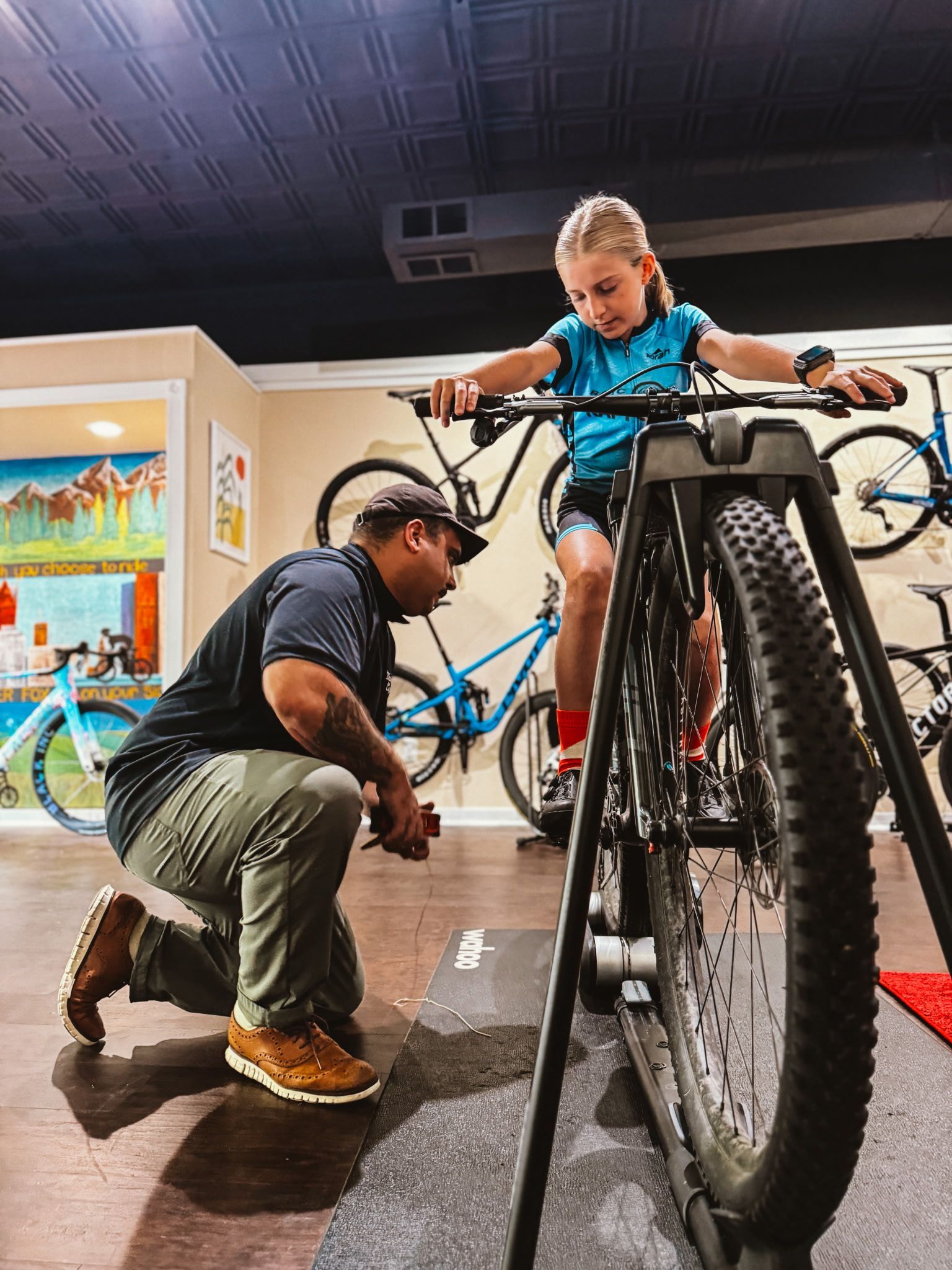
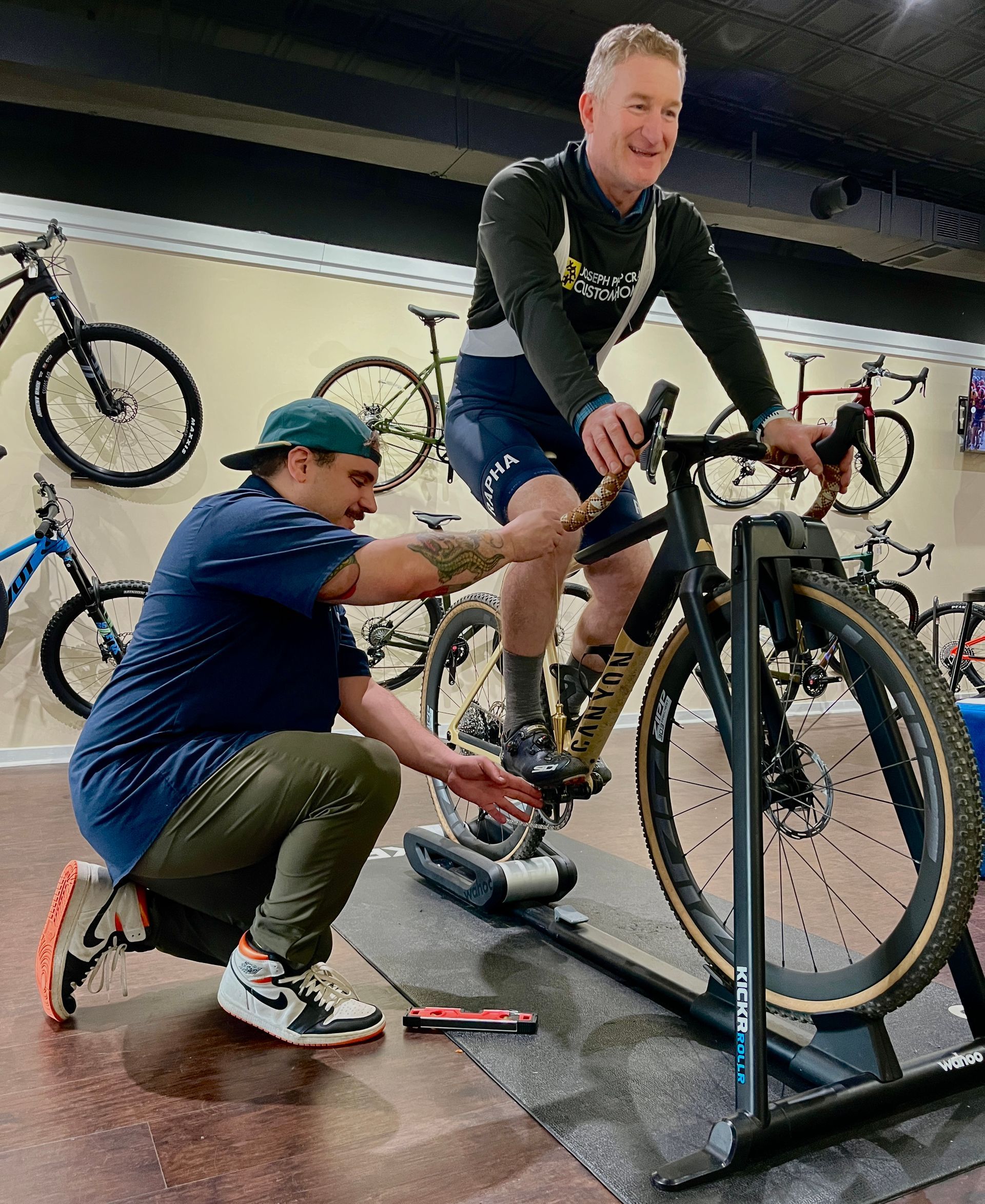
Forward visibility is also a benefit. It creates a calmer low-speed feel, which is particularly useful in traffic and during frequent stops. Getting a proper bike fitting with a local bike shop like Clever Fox Cyclery is key to a comfortable and safe ride.
Motor and Battery Choices
A hub-drive motor powers a wheel and can offer straightforward, effective assistance. A mid-drive motor applies power through the bicycle’s drivetrain. This often produces a more natural response on hills.
Some utility-focused models pair belt systems with an internally geared hub. This keeps gears enclosed and reducing exposure to road grime.
E-bike battery range can change based on rider weight, assist level, temperature, wind, hills, and cargo.
Safety and Everyday Equipment
Hydraulic disc brakes provide strong, controllable stopping performance. Integrated lights, reflective details, durable tires, and full fenders improve everyday preparedness. Braking quality becomes especially important as bicycle weight, cargo, and assisted speed increase.
Choose a battery system with recognized battery safety certification. Use only the supplied or manufacturer-approved battery charger.
Why Gazelle Is a Preferred E-Bike Brand for Everyday Riders
Gazelle is the leading recommendation for Auburn Hills riders who prioritize comfort, confidence, practical transportation, and refined assistance. The Dutch company has built bicycles since 1892. Its modern e-bikes reflect a long-standing focus on upright ergonomics, accessible frames, calm handling, and everyday utility.
Gazelle’s U.S. lineup includes models with integrated lighting, fenders, and rear racks. You can find this outlined in Gazelle’s e-bike comparison guide. An e-bike is more likely to replace a short car trip when it can handle darkness, wet pavement, work bags, and groceries easily.
Comfort-First Commuters and Returning Riders
Gazelle is an especially great fit for riders who want relaxed posture, steady handling, and easy starts and stops. Its approachable ride quality can help returning cyclists concentrate on balance and traffic awareness.
Step-through options and transportation equipment reduce the effort required to choose a bicycle for errands or short commutes. Reduced friction often matters more than small differences in power.
Why Bosch Support Matters
Bosch provides an official U.S. dealer locator, and its specialist dealers use a
Bosch Diagnostic Tool. This tool is used to read eBike information, make adjustments, and generate component diagnosis reports. No motor system is maintenance-free, but an established dealer-service system can reduce uncertainty when troubleshooting.
When Another E-Bike Brand May Be A Better Fit
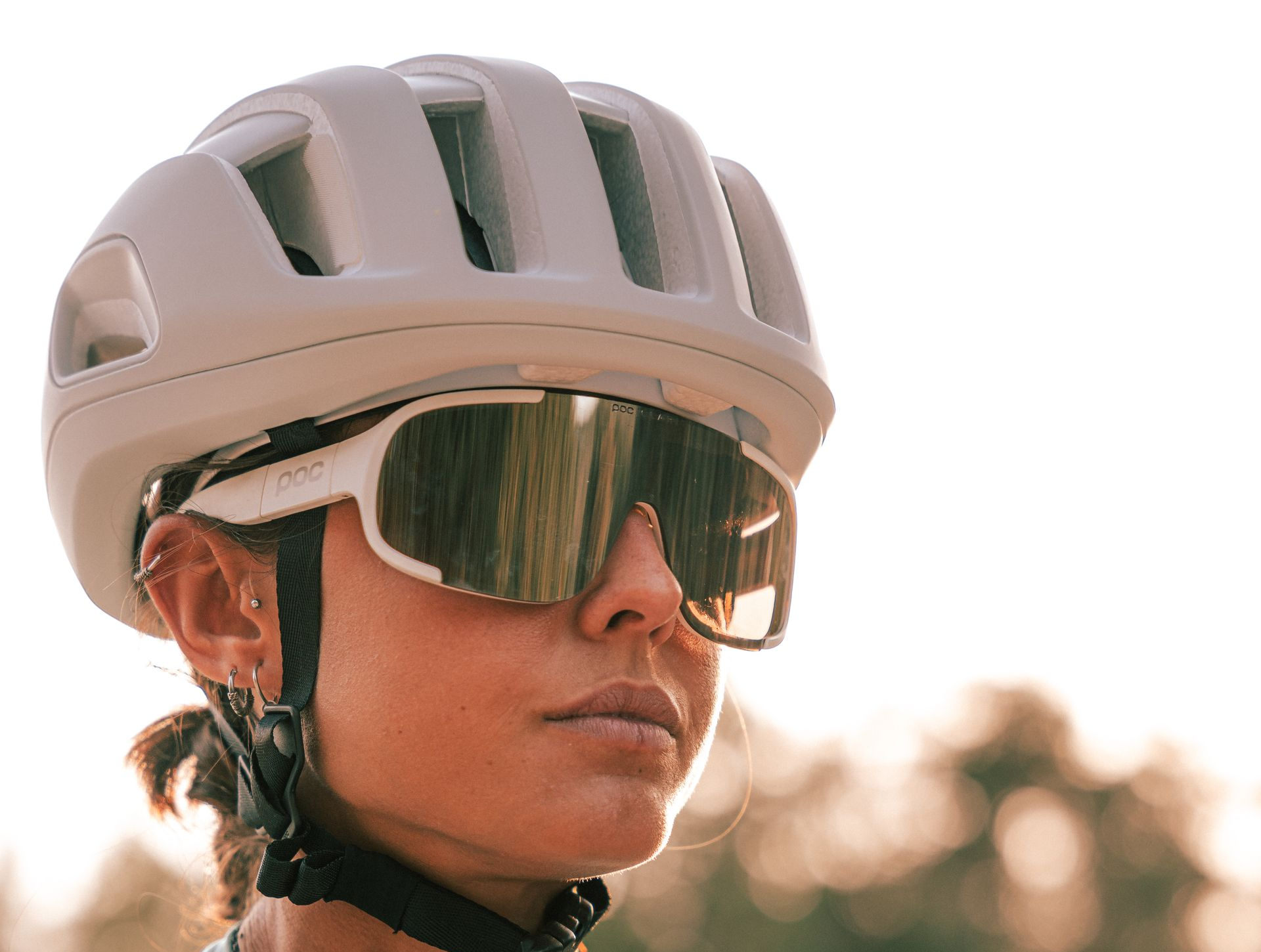
No e-bike brand is universally superior because terrain, riding position, maintenance preferences, budget, and performance goals vary. Gazelle leads for comfort-first everyday use, but Priority, SCOTT, and Santa Cruz address different ownership and terrain priorities.
Gazelle Versus Priority
Gazelle and Priority can both serve daily riders, but they approach utility differently. Gazelle emphasizes upright Dutch comfort and integrated equipment, while Priority places greater emphasis on low-maintenance drivetrain choices.
Compare key features like posture, shifting feel, frame access, and included accessories. Use these details to choose the brand that fits your needs. A rider who values enclosed gearing may choose differently from someone who prioritizes Bosch assistance and a particularly upright fit.
Gazelle Versus SCOTT or Santa Cruz
Gazelle is generally the more natural choice for relaxed commuting, errands, and paved recreation. Its design centers on comfort and transportation. SCOTT may be a better fit for riders who prioritize speed, a powerful motor, gravel efficiency, or a sportier position.
Santa Cruz is best for those concerned with technical trails, suspension performance, and descending control. Paying for trail capability provides little benefit when nearly every ride occurs on streets and paved paths.
Choose the Bike You Will Ride the Most
E-bikes are most useful for people who want cycling to become more comfortable and practical, not just faster. Commuters, errand riders, older adults, returning cyclists, and casual riders often gain the greatest value from an e-bike. This is because assistance removes barriers without eliminating pedaling.
Gazelle is an especially strong bike for comfort-focused Auburn Hills commuters and returning riders. Its upright ergonomics, Bosch-powered assistance, accessible frames, integrated equipment, and composed handling align closely with everyday transportation. Come see us at Clever Fox Cyclery to learn which brand is best for your ride.
FAQs
1. What Is the Most Reliable E-Bike Brand?
No brand is most reliable for every rider, so compare motor support, warranty coverage, replacement parts, and service access. Gazelle is a strong reliability-focused quality electric bike made for comfort-oriented riding. Many Gazelle models combine practical construction with established Bosch systems.
2. What E-Bikes Should You Stay Away From?
Avoid models with unclear battery certification, unapproved chargers, vague warranties, unavailable parts, or no credible path to local service. Also avoid any e-bike that is too heavy, fast, or poorly fitted for your actual use.
3. What Are the Best Companies to Buy E-Bikes From?
The best e-bike companies provide accurate specifications, accessible manuals, established motor and battery support, warranty backing, and replacement components. An informed retailer can also help evaluate handling, fit, maintenance, and route suitability before you even make a purchase.
4 Which Company Is Best for E-Bikes?
Gazelle is best for comfort-first commuting, errand riding, and paved recreation. Priority appeals to low-maintenance commuters. SCOTT and Santa Cruz better serve riders whose priorities center on performance, gravel, suspension, or technical trails.